


💛 A quick favor, if you've got a second.
We're really happy that you chose to read one of our stories and sincerely hope you'll stick around to read more. We took our paywall down — for now — but that won't last forever, and when the gate goes back up, we'd love for you to already be on the inside.
It's free. So please enter your email here and don't forget to like and follow us on all of your favorite Social Media platforms!
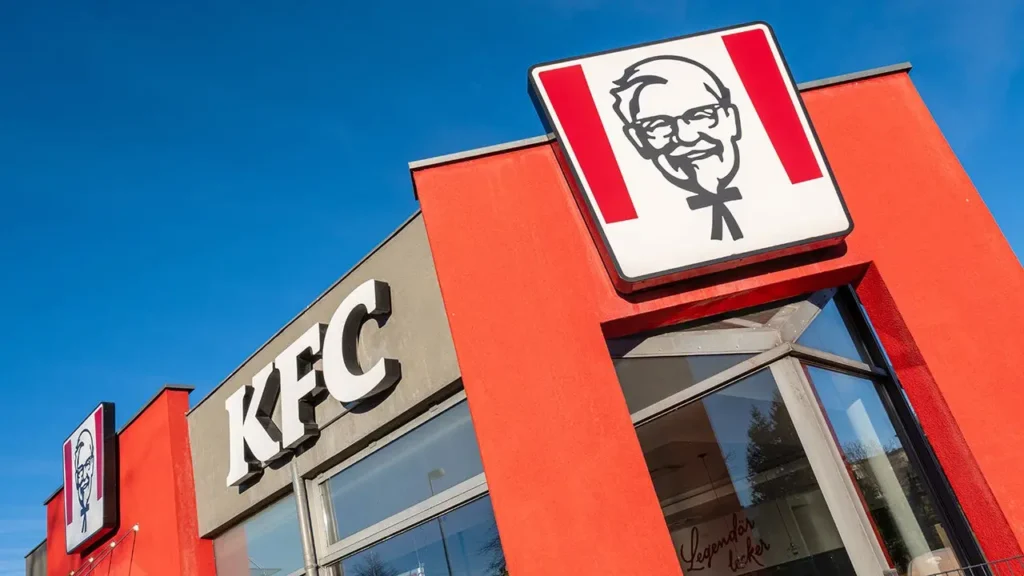
Kentucky Fried Chicken officially became KFC in 1991, a corporate rebranding that has fueled decades of unfounded speculation and false explanations. The move away from its original name continues to generate conspiracy theories that persist across online platforms and popular discourse, despite documented explanations from company executives and industry analysts.
Baseless claims have circulated suggesting Kentucky state government forced the name change by trademarking the state designation and demanding prohibitive licensing payments. Another equally false narrative alleged the company used genetically abnormal birds with extra limbs, rendering the term “chicken” technically inaccurate—a rumor so widespread it sparked legal action internationally.
The mutant bird theory prompted defamation lawsuits in China. Chinese courts ruled in favor of KFC’s regional operations in 2016 after finding three technology companies liable for spreading these false claims, according to Reuters reporting at the time.
The actual rationale behind the rebrand was considerably more straightforward. Company leadership sought to distance the brand from negative health perceptions associated with fried foods, industry observers and the Lexington Herald Leader both reported.
Market conditions and evolving consumer preferences drove the strategic shift during the late 1980s. The chain faced eroding profitability and changing buyer habits, with executives recognizing that the word “fried” carried significant baggage in an increasingly health-conscious marketplace.
Kentucky Fried Chicken simultaneously introduced skinless poultry products marketed initially as “Lite’n Crispy,” later rebranded as “Skinfree Crispy.” Kyle T. Craig, president of Kentucky Fried Chicken USA, told United Press International in 1991 that the company aimed to project “a more contemporary image,” emphasizing that “fried is not a contemporary image.”
Harland Sanders founded the operation in 1930 as a roadside service station where he began serving his signature southern-style chicken to customers, company records indicate. The location in Corbin, Kentucky—now the Sanders Cafe and Museum—evolved from a fuel stop established in 1937 into a lodging and dining destination.
The 1991 rebranding reflected broader corporate strategies of that era. Ken Albala, a history professor at the University of the Pacific, noted that major corporations invested substantially in logo redesigns and brand modernization during this period to appeal to younger consumers and increase cross-cultural recognition.
Coca-Cola similarly amplified its “Coke” branding during the same timeframe, prioritizing typeface refinement, visual elements, and nomenclature to enhance consumer appeal. Companies conducted extensive market research to determine how naming conventions and design choices could accelerate brand recognition in competitive environments.
Practical logistics also motivated the shift toward abbreviated branding. The full “Kentucky Fried Chicken” name required substantial space on signage, packaging, and digital platforms, whereas the condensed KFC format proved more efficient for capturing attention in crowded retail settings and online environments.
KFC has grown substantially since the pivotal 1991 rebranding. The company operates approximately 30,000 locations across roughly 150 nations, claiming status as the quick-service restaurant category leader in global expansion and among the world’s fastest-growing retail enterprises.
Current modernization efforts include menu expansion and redesigned dining environments. The company plans to refresh its signature bucket packaging while subtly evolving the Colonel’s visual representation to preserve his iconic status within the brand identity moving forward.

More Stories
Looney Tunes’ ‘Coyote vs. Acme’ Debuts With $15.5 Million as ‘Spider-Man’ Holds Box Office Crown
Country Music Legend Dolly Parton Laid to Rest; Niece Shares Touching Remembrance
Britt Baker’s Surprise Return Helps Persephone Capture AEW TBS Championship at All In