

💛 A quick favor, if you've got a second.
We're really happy that you chose to read one of our stories and sincerely hope you'll stick around to read more. We took our paywall down — for now — but that won't last forever, and when the gate goes back up, we'd love for you to already be on the inside.
It's free. So please enter your email here and don't forget to like and follow us on all of your favorite Social Media platforms!
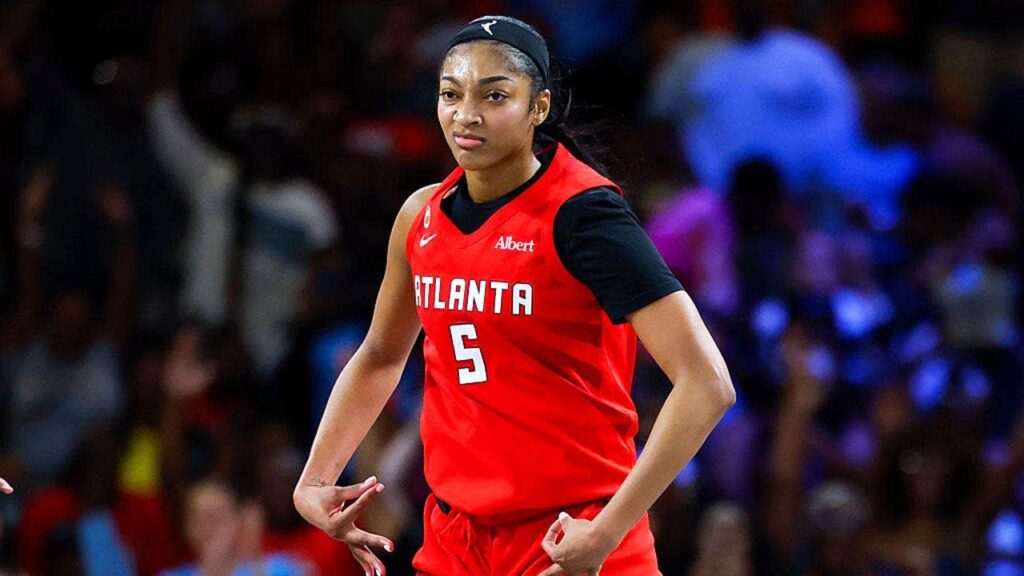
The Atlanta Dream’s Friday night matchup against the Toronto Tempo resulted in a 111-92 victory, yet the outcome became secondary to an exchange that unfolded away from the action. Angel Reese contributed 23 points and 12 rebounds in the contest, though an incident between plays would generate considerably more attention in the hours that followed.
Late in the game, Reese and Tempo forward Nyara Sabally collided, with Sabally suffering a rib injury and fouled on the play. After Sabally remained on the court, Toronto coach Sandy Brondello moved toward the officials to dispute the call. A broadcast feed captured Brondello using the term “protected species” to characterize Reese’s apparent officiating advantage.
The comment spread rapidly across social media platforms, where observers debated its meaning and implications given Reese’s background. Reese reposted the remark with sarcasm and directed it at Brondello through her social channels, amplifying the exchange to millions of followers.
The phrase “protected species” represents longstanding sports vernacular for describing players who receive preferential calls from referees. Brondello, an Australian coach, relies on language rooted in Australian English where such terminology regularly describes individuals receiving special treatment. Professional leagues have deployed identical phrasing for decades.
NFL quarterbacks including Patrick Mahomes and Tom Brady have been referenced using comparable language when discussing officiating patterns that favor star players. Baseball, college football, and basketball have similarly employed such terminology across broadcasts and sideline commentary.
The situation reflects persistent tensions within professional sports regarding how language during competitive moments is interpreted and contextualized. Reese’s decision to share Brondello’s comment with her substantial audience converted a fleeting sideline exchange into sustained public scrutiny.

More Stories
Indiana coach Curt Cignetti tells restless Hoosiers fans not to gripe over 38-0 win
Trump Threatens FCC Action Against NBC’s Welker Over Endorsement Coverage
Packers Running Back Josh Jacobs Placed on Commissioner Exempt List Pending Misdemeanor Charges