



💛 A quick favor, if you've got a second.
We're really happy that you chose to read one of our stories and sincerely hope you'll stick around to read more. We took our paywall down — for now — but that won't last forever, and when the gate goes back up, we'd love for you to already be on the inside.
It's free. So please enter your email here and don't forget to like and follow us on all of your favorite Social Media platforms!
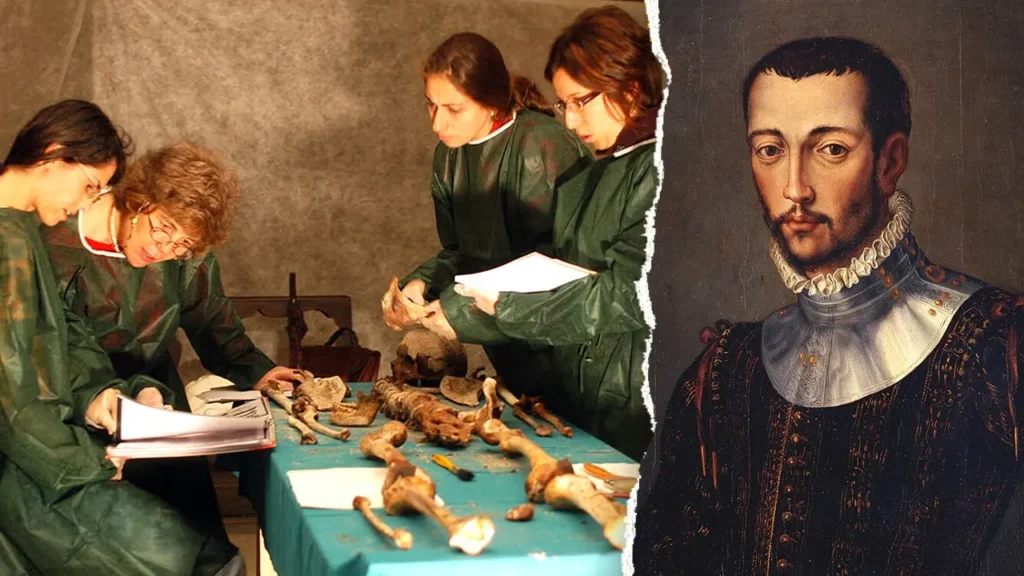
Yale University scientists have resolved a centuries-old question about the death of Grand Duke Francesco I de’ Medici, the Renaissance ruler of Tuscany who died in 1587. A study published in iScience presents genetic evidence that malaria, not arsenic poisoning as long rumored, caused the sudden deaths of Francesco and his wife Bianca Cappello, who fell ill with intermittent fevers following time spent at a mosquito-infested villa.
Researchers led by Serena Tucci, an assistant professor of anthropology at Yale, collaborated with paleopathologists from the University of Pisa to extract and analyze DNA from Francesco’s skeletal remains and those of his brother Giovanni de’ Medici, who died of malaria 25 years prior. The team identified Plasmodium falciparum, the parasite responsible for the deadliest form of malaria, in Giovanni’s remains, and discovered traces of both P. falciparum and P. malariae in Francesco’s remains.
For centuries, rumors persisted that Cardinal Ferdinando de Medici, Francesco’s brother and rival, had poisoned him with arsenic. The lack of definitive scientific evidence allowed speculation to flourish despite historical accounts from court physicians describing symptoms consistent with malaria, known locally as “febbre terzana.” This marks the first genetic confirmation of malaria in the brothers’ remains.
Tucci acknowledged that while poisoning cannot be completely ruled out, malaria represents the most plausible explanation supported by scientific evidence. The newly identified strain could advance understanding of how the parasite has evolved, potentially improving modern control methods and prevention strategies.


More Stories
Modern Science Finally Supports & Strengthens Biblical Account of the Crucifixion of Jesus Christ
Archaeologists Unearth 1,300-Year-Old Trading Hub Near Ancient Jaffa in Israel
Month-Long HEPA Use Linked to Faster Cognitive Processing in Middle-Aged Adults