


💛 A quick favor, if you've got a second.
We're really happy that you chose to read one of our stories and sincerely hope you'll stick around to read more. We took our paywall down — for now — but that won't last forever, and when the gate goes back up, we'd love for you to already be on the inside.
It's free. So please enter your email here and don't forget to like and follow us on all of your favorite Social Media platforms!
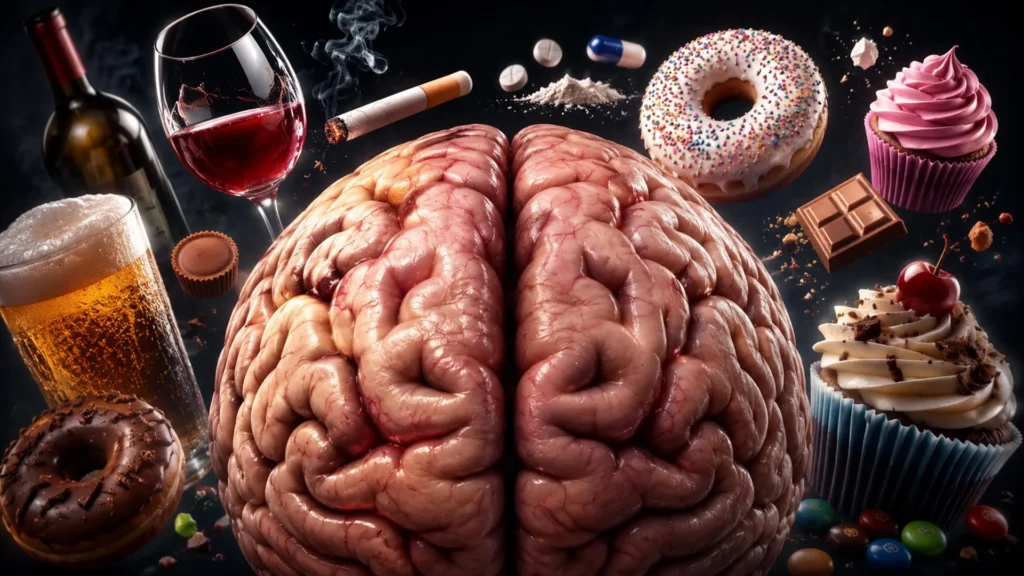
Medications in the Ozempic class appear to suppress cravings for alcohol and addictive substances beyond their known effect on appetite suppression, according to emerging research. Scientists have identified the lateral septum, a brain structure dense with GLP-1 receptors, as a potential mechanism behind this broader effect on reward-seeking behavior.
The lateral septum functions as a neural junction that integrates memories and environmental cues with pleasurable sensations. Researchers believe the region serves as a critical gateway determining whether thoughts about rewards transform into compulsive pursuit of those rewards.
This discovery could expand the therapeutic applications of GLP-1 receptor agonists significantly. Beyond obesity management, the drugs may offer promise for treating addiction disorders, fundamentally changing how clinicians approach substance abuse and behavioral compulsions.


More Stories
Looney Tunes’ ‘Coyote vs. Acme’ Debuts With $15.5 Million as ‘Spider-Man’ Holds Box Office Crown
Trump Calls NASA to Congratulate Agency on Roman Space Telescope Launch
Meta Ordered to Implement Sweeping Teen Safety Restrictions Under Settlement