


💛 A quick favor, if you've got a second.
We're really happy that you chose to read one of our stories and sincerely hope you'll stick around to read more. We took our paywall down — for now — but that won't last forever, and when the gate goes back up, we'd love for you to already be on the inside.
It's free. So please enter your email here and don't forget to like and follow us on all of your favorite Social Media platforms!
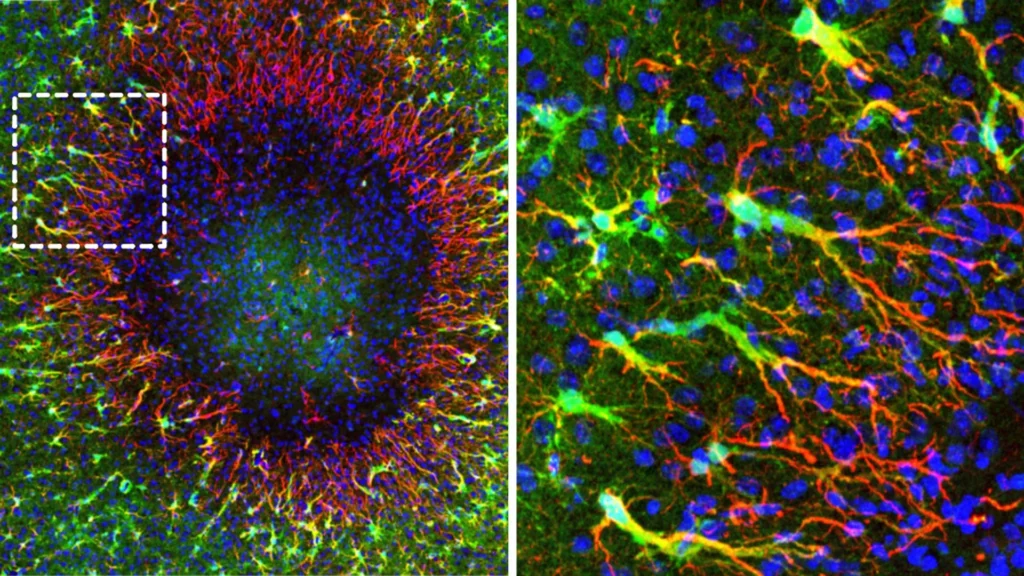
Scientists have uncovered evidence suggesting the mature brain possesses considerably greater self-healing abilities than previously documented in medical literature. A research team studying rodent models identified a particular class of support cells, known as astrocytes, that activate when brain tissue sustains injury and subsequently work to restore damaged neural networks.
Rather than simply infiltrating the site of injury, these specialized cells employ an unexpected biological mechanism. The astrocytes generate new nuclei and transport them along extended cellular pathways, effectively replenishing compromised brain tissue. This discovery challenges long-held assumptions about the limitations of adult neurological repair processes.

More Stories
New York Health Officials Sound Alarm Over Rising Measles Cases as School Year Approaches
CareCloud Breach Compromises 3.75 Million Patient Records, Among Largest Healthcare Data Thefts of 2026
Month-Long HEPA Use Linked to Faster Cognitive Processing in Middle-Aged Adults