


💛 A quick favor, if you've got a second.
We're really happy that you chose to read one of our stories and sincerely hope you'll stick around to read more. We took our paywall down — for now — but that won't last forever, and when the gate goes back up, we'd love for you to already be on the inside.
It's free. So please enter your email here and don't forget to like and follow us on all of your favorite Social Media platforms!
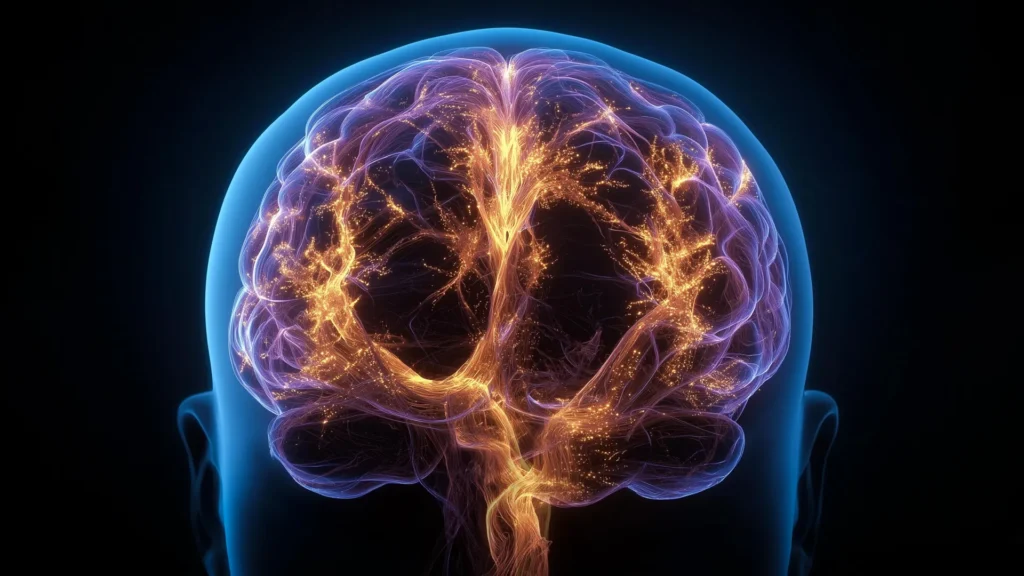
Physical activity appears to bolster the brain’s ability to eliminate toxic buildup that accumulates over time, according to new research findings. Scientists documented that exercise enhances multiple biological pathways connected to the brain’s glymphatic system, which functions as the organ’s internal sanitation mechanism.
The research identified three key mechanisms through which exercise strengthens this cleanup process: improved sleep quality, reduced inflammatory responses, and enhanced blood vessel function. Each of these factors contributes to more efficient removal of harmful substances that can compromise brain tissue.
As individuals age, the glymphatic system’s efficiency naturally declines, making its maintenance increasingly critical for long-term brain health. The findings suggest that regular exercise may serve as a protective measure against the cognitive deterioration commonly associated with advanced age.


More Stories
Tennessee’s Lone Death Row Female is Scheduled for Execution Wednesday for 1995 Torture/Murder
Modern Science Finally Supports & Strengthens Biblical Account of the Crucifixion of Jesus Christ
Nurse Killed in Hit-and-Run Collision in Brooklyn