

💛 A quick favor, if you've got a second.
We're really happy that you chose to read one of our stories and sincerely hope you'll stick around to read more. We took our paywall down — for now — but that won't last forever, and when the gate goes back up, we'd love for you to already be on the inside.
It's free. So please enter your email here and don't forget to like and follow us on all of your favorite Social Media platforms!
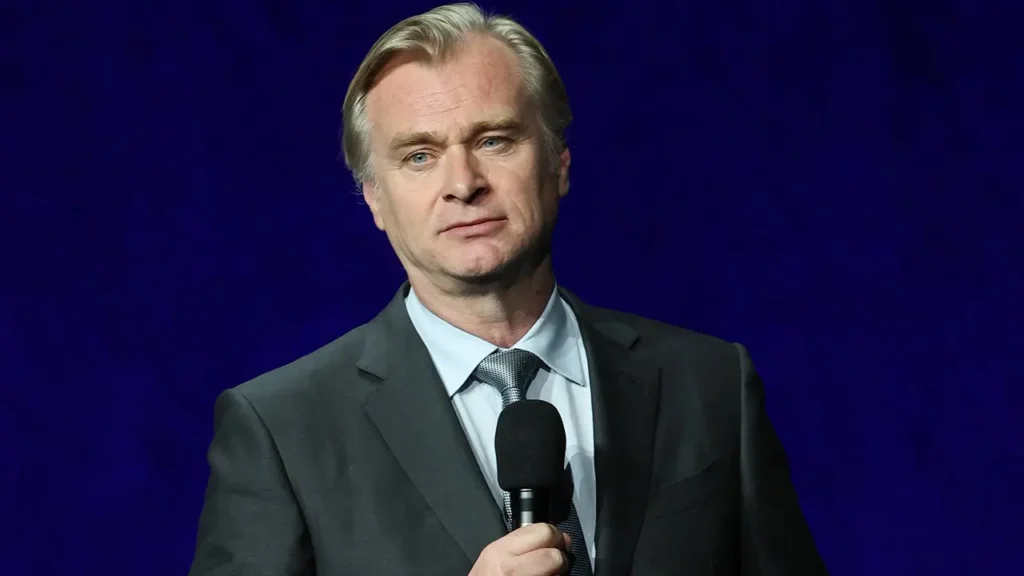
Christopher Nolan’s “The Dark Knight” has lost none of its cultural significance in the 18 years since its theatrical debut, remaining a touchstone for how superhero narratives can achieve artistic depth and critical acclaim. The film’s sustained influence demonstrates that audiences and critics continue to regard it as a pivotal work that elevated the entire genre.
Contemporary superhero blockbusters such as “Captain America: Civil War” and “Avengers: Infinity War” have matched or exceeded Nolan’s film in scale and spectacle, yet neither has achieved the thematic coherence and restrained storytelling that characterize his Batman feature. The gritty, psychologically grounded approach Nolan employed still distinguishes “The Dark Knight” from its successors.
The film’s narrative economy proves particularly striking upon examination. New viewers require no familiarity with “Batman Begins” to grasp character motivations and relationships, as Nolan’s script efficiently establishes Rachel Dawes and supporting figures within the opening sequences without exposition or prerequisite knowledge.
Heath Ledger’s Joker performance stands as one of cinema’s most iconic turns, though the supporting cast deserves equal recognition for their contributions. Christian Bale, Gary Oldman, Aaron Eckhart, Michael Caine, and Morgan Freeman all deliver nuanced, substantive work that strengthens the entire film’s quality.
The screenplay engages with post-9/11 anxieties and surveillance state concerns that sparked debate upon the film’s 2008 release but have only grown more pressing in intervening years. Batman’s deployment of invasive sonar technology to monitor citizens through their cellular devices now resonates with heightened urgency amid contemporary privacy debates.
Dialogue throughout the film avoids the quip-laden rapid-fire banter that characterizes modern superhero fare, instead offering quotable lines that have embedded themselves in cultural discourse. The observation that “you either die a hero or live long enough to see yourself become the villain” continues to resonate across multiple contexts.
Nolan’s evident mastery of Batman’s comic book history informed his creative decisions throughout production, drawing particularly from acclaimed graphic novels including “The Long Halloween” and “The Man Who Laughs.” This scholarly approach to source material shapes nearly every element of the finished film.
The film’s reverberations across superhero cinema extend even to Nolan’s own sequel, with “The Dark Knight Rises” unable to match the original’s artistic achievement. This disparity underscores “The Dark Knight’s” exceptional standing within its genre and in cinema broadly.
Renewed scrutiny of Nolan’s recent work on “The Odyssey” provides occasion to revisit “The Dark Knight” and acknowledge his considerable creative accomplishments. The film endures not simply as superior superhero entertainment but as a remarkable artistic achievement that transcends its genre classification.
More Stories
Looney Tunes’ ‘Coyote vs. Acme’ Debuts With $15.5 Million as ‘Spider-Man’ Holds Box Office Crown
Country Music Legend Dolly Parton Laid to Rest; Niece Shares Touching Remembrance
Britt Baker’s Surprise Return Helps Persephone Capture AEW TBS Championship at All In