


💛 A quick favor, if you've got a second.
We're really happy that you chose to read one of our stories and sincerely hope you'll stick around to read more. We took our paywall down — for now — but that won't last forever, and when the gate goes back up, we'd love for you to already be on the inside.
It's free. So please enter your email here and don't forget to like and follow us on all of your favorite Social Media platforms!
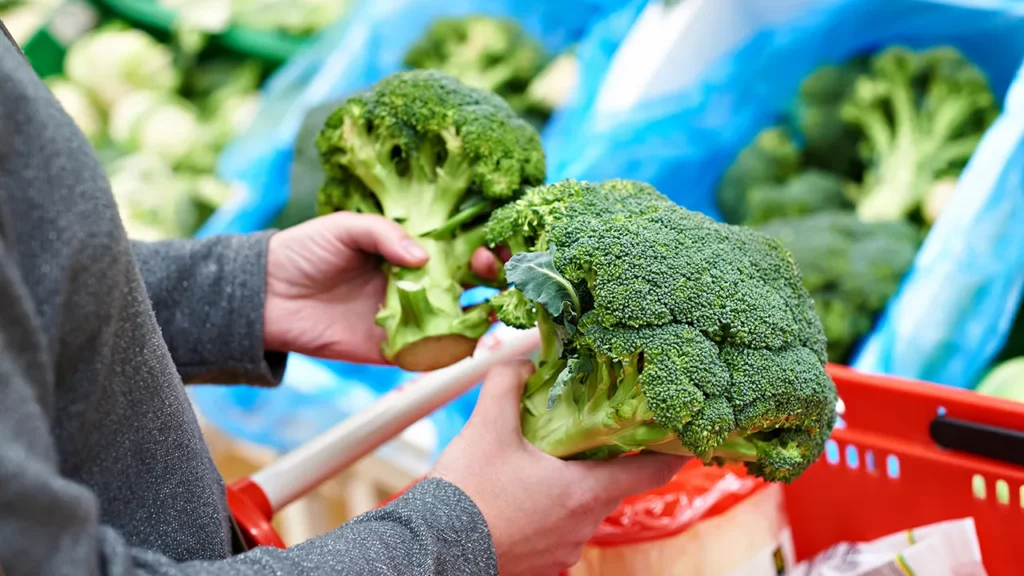
A new analysis from Cornell University reveals a significant geographic concentration in America’s broccoli production that poses serious supply-chain risks. The research, published in the journal Agribusiness, found that California accounts for more than 90% of domestically grown fresh broccoli, creating potential vulnerabilities tied to weather patterns and drought conditions in the state.
Using historical shipping data and drought measurements spanning 2000 to 2019, Cornell researchers modeled how various drought scenarios would affect broccoli supplies reaching American consumers. Their findings indicate that moderate drought could reduce California broccoli shipments by approximately 9%, while severe drought conditions could slash supplies by more than 20%, according to the study’s projections.
Christopher Valadez, president and CEO of the Grower-Shipper Association of Central California, cautioned against overstating the severity of the 20% figure. He explained that this represents a statistical average derived from correlating monthly shipment data with drought-index readings rather than a documented instance of actual supply collapse.
The Cornell team proposed expanding broccoli cultivation across ten Eastern states as a potential buffer against California drought. By leveraging different growing seasons in Southern and Northern regions, producers could shift output northward throughout the year, maintaining supply continuity during California’s dry periods.
According to the researchers’ modeling, diversified Eastern production could reduce annual supply-chain costs by approximately $10 million during severe drought while cutting transportation distances to Eastern markets by roughly 20%. Valadez acknowledged the value of geographic diversification but noted that Eastern regions face distinct weather challenges, including summer heat and humidity-related crop diseases.
Despite the potential benefits of Eastern expansion, California would likely remain a major broccoli source even under worst-case drought scenarios. Industry leaders view East Coast production as a supplementary option rather than a replacement for established Western operations, providing additional flexibility when drought constrains California shipments.

More Stories
Erie County Cancels DHS Job Fair Over ICE Participation, Sparking GOP Criticism
Solar String Lights Hit All-Time Low Price With Additional Coupon Discount
Trump Administration Advances Arizona Border Wall Despite Tribal Opposition and Legal Challenge