


💛 A quick favor, if you've got a second.
We're really happy that you chose to read one of our stories and sincerely hope you'll stick around to read more. We took our paywall down — for now — but that won't last forever, and when the gate goes back up, we'd love for you to already be on the inside.
It's free. So please enter your email here and don't forget to like and follow us on all of your favorite Social Media platforms!
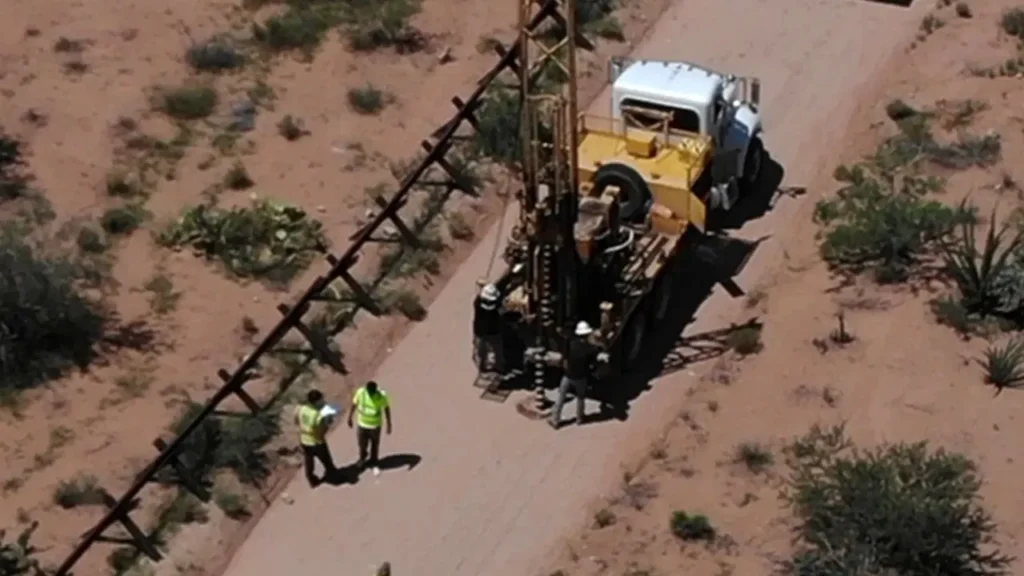
Construction has commenced on a segment of the southern border barrier in Arizona as part of a $46 billion initiative to fortify the U.S.-Mexico boundary with 30-foot steel bollard barriers, vehicle obstacles, and surveillance infrastructure aimed at curbing unauthorized immigration and trafficking operations. U.S. Customs and Border Protection officials characterized the desert terrain spanning Tohono O’odham Nation territory as a critical smuggling conduit, with CBP Commissioner Rodney Scott stating the project would “close one of the most dangerous smuggling and trafficking corridors on the Southwest border” marked by decades of drug trafficking, migrant fatalities, and cartel operations.
The Tohono O’odham Nation, representing 37,000 members including residents on both sides of the border, has vehemently opposed the construction, contending it will desecrate sacred mountain peaks and inflict “significant devastation” on reservation lands. The tribe filed suit against the federal government in June seeking to block the project, arguing the infrastructure would damage culturally significant sites integral to tribal identity and religious practices.
U.S. District Judge Richard Leon in Washington, D.C., rejected the tribe’s arguments in a ruling that favored the government, determining the wall would be constructed exclusively within a 60-foot-wide federally owned buffer zone designated as the Roosevelt Reservation. The judge found the government had not articulated plans to build beyond this restricted corridor.
Tribal leadership maintains the construction constitutes unlawful trespassing regardless of the Roosevelt Reservation designation and reported this week that masked CBP agents erected vehicle blockades preventing tribal police from removing contractors. According to tribal officials, workers accompanied by federal agents conducted soil sampling and drilling operations at three separate locations near the border, asserting the contractors operate “illegally” on tribal territory. The nation said it is pursuing additional legal remedies to remove the construction workforce.

More Stories
Federal voting arrest in New Jersey adds new pressure point in Sherrill-Trump standoff
Trump Threatens FCC Action Against NBC’s Welker Over Endorsement Coverage
Packers Running Back Josh Jacobs Placed on NFL Commissioner’s Exempt List Following Domestic Arrest