


💛 A quick favor, if you've got a second.
We're really happy that you chose to read one of our stories and sincerely hope you'll stick around to read more. We took our paywall down — for now — but that won't last forever, and when the gate goes back up, we'd love for you to already be on the inside.
It's free. So please enter your email here and don't forget to like and follow us on all of your favorite Social Media platforms!
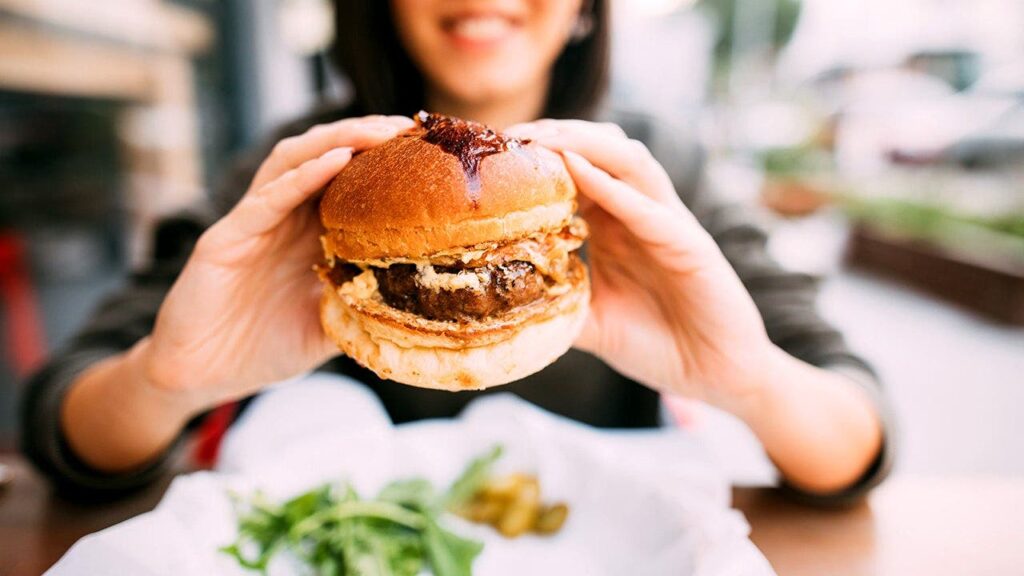
Michael Hawk, executive chef at the Fontainebleau in Miami Beach, Florida, cautions home cooks against a seemingly logical shortcut: saturating burger buns with the rendered fat and cooking juices from the patty. Rather than enhancing flavor, this practice undermines the quality of the final product and should be avoided entirely, Hawk told Fox News Digital.
The superior approach involves toasting the buns in butter using a sauté pan on medium heat, Hawk explained. He recommends placing whole, unsalted butter in the pan, then positioning the bun cut-side down and applying gentle pressure for approximately two to three minutes until it achieves a golden-brown color.
Timing matters significantly in the burger assembly process, according to Hawk. The three to four minutes required to properly toast the buns aligns perfectly with the resting period that cooked patties require before serving, allowing the meat to retain its juices rather than bleeding onto the bread.
Hawk advises monitoring the buns closely during toasting to achieve even browning without charring. For those using a grill, he recommends positioning buns on the outer edges where heat intensity is lower, since direct grilling often results in burned buns.
The chef prefers brioche or potato bread varieties, as they contribute minimal competing flavors and allow the meat’s taste to remain prominent. He emphasized that any bun selection works provided it matches individual preferences.
Beyond bun preparation, Hawk offered additional guidance for burger success. He stressed the importance of forming patties with uniform shape and weight, using a digital thermometer for precise doneness, and removing burgers from heat five degrees before reaching target temperature since carryover cooking continues during rest.
Regarding the popular smashing technique, Hawk identified a critical window: smashing should occur only when the patty is raw. Applying pressure mid-cooking ruptures the developing crust and results in moisture loss, he cautioned, calling this “probably the biggest mistake people make at home.”
One final recommendation involves tempering the meat by allowing it to reach room temperature before cooking. This modest temperature increase of 10 to 15 degrees reduces grilling time and helps preserve interior moisture, Hawk said, despite some home cooks’ hesitation about food safety concerns.

More Stories
Four Kitchen Staples That Belong Outside the Freezer, According to Culinary Experts
CareCloud Breach Compromises 3.75 Million Patient Records, Among Largest Healthcare Data Thefts of 2026
Cyclospora Parasite Outbreak Tied to Recalled Lettuce Spreads to 20 States