


💛 A quick favor, if you've got a second.
We're really happy that you chose to read one of our stories and sincerely hope you'll stick around to read more. We took our paywall down — for now — but that won't last forever, and when the gate goes back up, we'd love for you to already be on the inside.
It's free. So please enter your email here and don't forget to like and follow us on all of your favorite Social Media platforms!
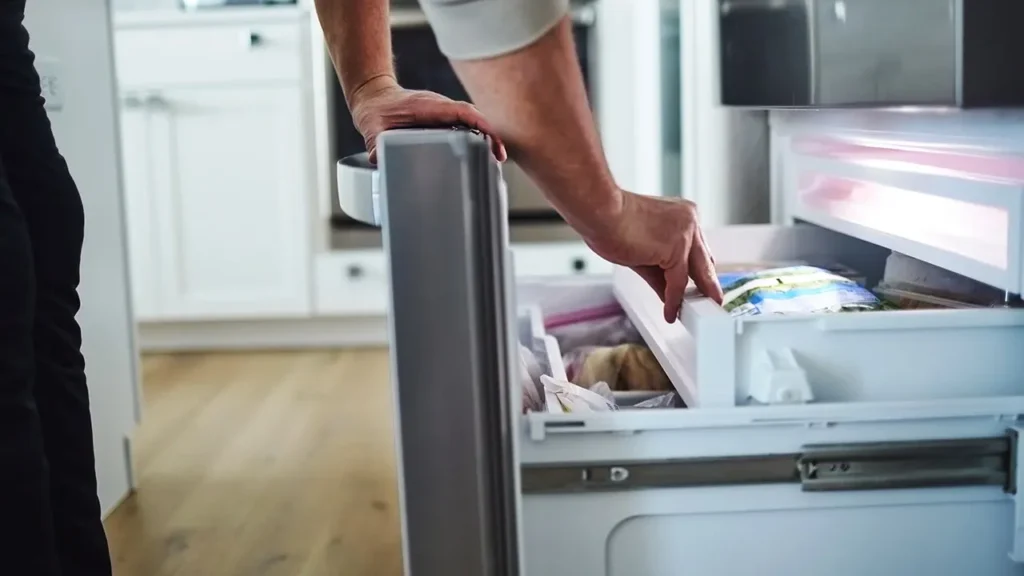
Freezing extends food shelf life, but certain pantry items maintain superior quality when stored using alternative methods. According to culinary experts and food publications, some foods experience noticeable deterioration in texture, flavor and overall appeal after undergoing the freeze-thaw cycle. Chef Dennis Littley, a New Jersey-based culinary educator and founder of Ask Chef Dennis, explained to Fox News Digital that freezing creates ice crystals within food, fundamentally altering its structural integrity.
Littley cautioned home cooks against assuming that every food item can or should be frozen simply because freezing is technically possible. Different foods respond differently to cold storage, and understanding these distinctions helps preserve the dining experience. The expert identified four categories of foods that warrant alternative storage strategies in the kitchen.
Most cheese varieties become grainy or crumbly after freezing and thawing, with softer and creamier options showing the most pronounced deterioration. Littley recommends wrapping cheese tightly and refrigerating it while purchasing quantities that will be consumed during peak freshness. Proper refrigeration maintains the intended texture and flavor profile that cheese enthusiasts expect.
Pasta dishes present a mixed picture depending on their sauce composition. Cream-based pasta sauces tend to separate during freezing, and the pasta itself softens through the process, making refrigeration within several days the preferable option. Heartier baked pasta dishes, by contrast, freeze more successfully and can be preserved longer using freezer storage.
Cured meats including prosciutto and salami undergo texture and flavor changes when frozen, particularly noticeable when served on charcuterie boards, sandwiches or as appetizers where mouthfeel matters significantly. Littley advises refrigerating these items in proper wrapping and consuming them within recommended timeframes following opening. This approach preserves the delicate qualities that make cured meats appealing.
Wine should remain outside the freezer entirely, according to the culinary expert. Freezing causes liquid expansion that risks damaging bottles or corks while simultaneously diminishing the wine’s intended flavor and aroma characteristics. Opened wine bottles can be resealed and stored in the refrigerator, including red varieties, which can then be warmed to appropriate serving temperature before consumption.
Strategic storage decisions ultimately determine whether foods maintain their original quality or undergo unwanted transformation. Littley emphasized that while some dishes freeze beautifully, others fail to return to their intended state after thawing. Understanding these distinctions allows home cooks to preserve texture, flavor and overall quality across their kitchen storage.

More Stories
Christa Pike Survives Botched Double Execution Attempt; Tennessee Halts Remaining 2026 Executions
Tennessee’s Lone Death Row Female is Scheduled for Execution Wednesday for 1995 Torture/Murder
Modern Science Finally Supports & Strengthens Biblical Account of the Crucifixion of Jesus Christ