




💛 A quick favor, if you've got a second.
We're really happy that you chose to read one of our stories and sincerely hope you'll stick around to read more. We took our paywall down — for now — but that won't last forever, and when the gate goes back up, we'd love for you to already be on the inside.
It's free. So please enter your email here and don't forget to like and follow us on all of your favorite Social Media platforms!
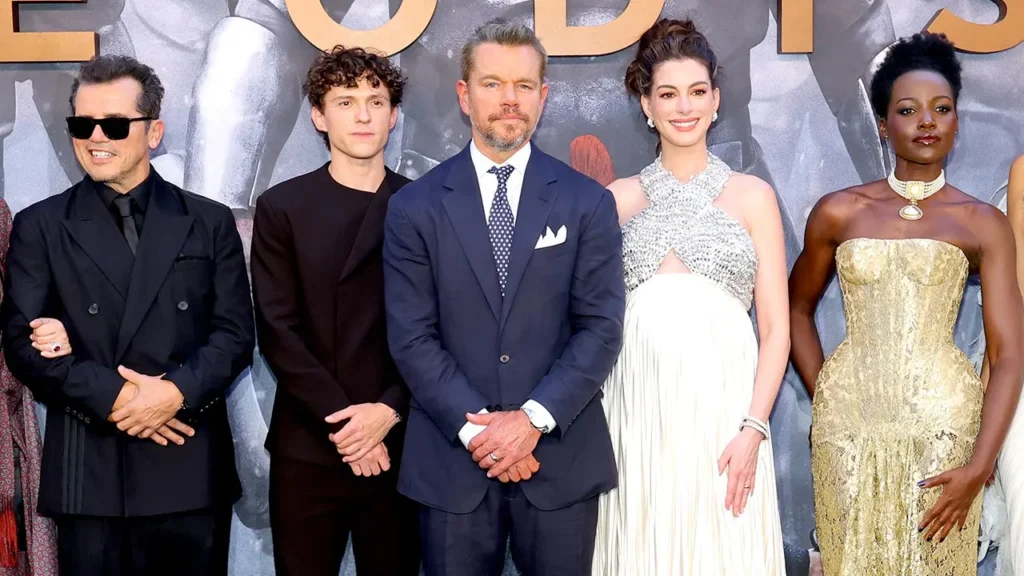
Christopher Nolan’s “The Odyssey” has become a phenomenon at the global box office, crossing the $1.1 billion mark within four weeks of its mid-July release and establishing itself as Nolan’s highest-grossing film to date. The film also holds the distinction of being the year’s top-grossing R-rated movie worldwide. The production’s reliance on practical effects and in-camera filming took crews across five countries, creating authentic backdrops that have now captivated moviegoers into exploring these real destinations themselves.
Google search data reveals a dramatic surge in travel interest following the film’s release. Searches for traveling to Troy jumped 3,421 percent, while flight searches to the ancient city increased by 966 percent, according to analysis from learning app Nibble reported by Travel + Leisure. Viewers also searched heavily to confirm whether Troy actually exists as a visitable location, suggesting many left theaters eager to experience these mythical sites firsthand.
Voidokilia Beach in Messenia, located in southwestern Greece’s Peloponnese region about 10 miles from Pylos, served as a key Greek filming location. Above the beach sits Nestor’s Cave, used to film sequences featuring Polyphemus the Cyclops. Hikers can reach the cave via a steep, rocky trail ascending from Voidokilia Beach.
Favignana, the largest of Sicily’s Egadi Islands, was transformed to represent Odysseus’ homeland of Ithaca in the film. The island sits approximately 30 minutes by ferry from Trapani on Sicily’s western coast and is renowned for its crystal-clear waters. The surrounding waters yielded a significant archaeological discovery in September 2025, when Sicilian officials announced finding a well-preserved bronze helmet and weapons near the site of the 241 B.C. Battle of the Aegates.
The fortified settlement of Aït Benhaddou in southern Morocco, with structures dating to the 17th century, doubled as ancient Troy in the film’s final sequences. The UNESCO World Heritage Site remains accessible to visitors, situated roughly 30 minutes from Ouarzazate and approximately 110 miles from the popular tourist destination of Marrakech.
Essaouira, located on Morocco’s Atlantic coast, hosted filming of scenes depicting the discovery and landing of the Trojan Horse. In Scotland, Nolan’s crew worked at Findlater Castle in Aberdeenshire on the northeast coast, where ruins span from documented fortifications dating to 1246 through structures constructed in the 14th century. The castle overlooks the Moray Firth, a significant North Sea inlet, and castle officials noted the production will introduce millions of cinema audiences worldwide to the Banffshire coastline’s natural beauty.



More Stories
State Department Reissues Level 3 Travel Advisory for Israel Amid Terrorism and Armed Conflict Concerns
Looney Tunes’ ‘Coyote vs. Acme’ Debuts With $15.5 Million as ‘Spider-Man’ Holds Box Office Crown
Country Music Legend Dolly Parton Laid to Rest; Niece Shares Touching Remembrance