


💛 A quick favor, if you've got a second.
We're really happy that you chose to read one of our stories and sincerely hope you'll stick around to read more. We took our paywall down — for now — but that won't last forever, and when the gate goes back up, we'd love for you to already be on the inside.
It's free. So please enter your email here and don't forget to like and follow us on all of your favorite Social Media platforms!
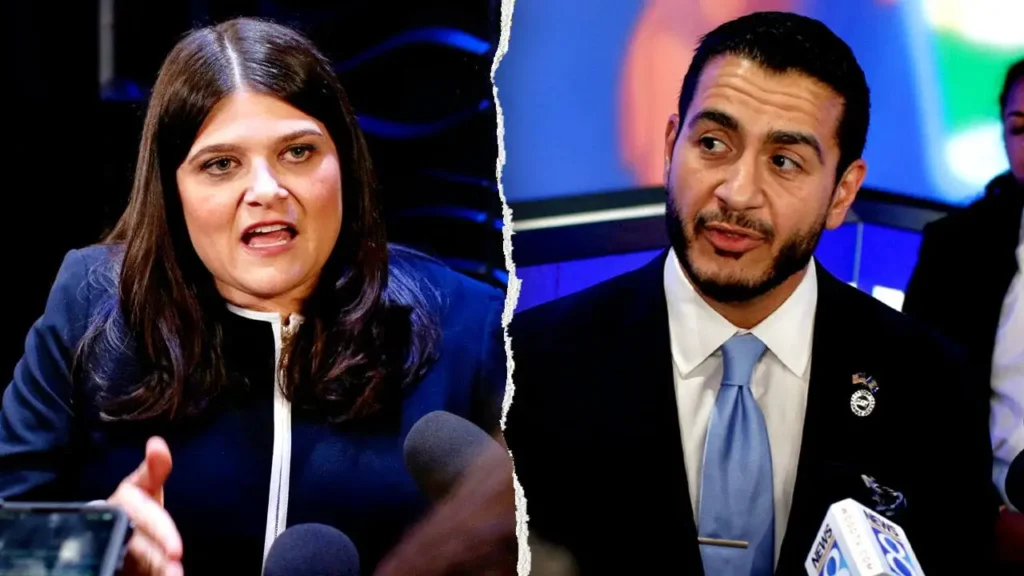
Sen. Bernie Sanders, I-Vt., appeared at a Detroit rally on Saturday to support progressive candidate Abdul El-Sayed in Michigan’s Democratic Senate primary, characterizing the race as fundamentally about wealthy interests rather than interpersonal competition. Sanders dismissed Rep. Haley Stevens, D-Mich., as a secondary concern, insisting the real contest pits El-Sayed against the nation’s financial elite who seek to block his candidacy.
“This is not an election between her and Abdul,” Sanders told supporters at the campaign event. “This is an election between Abdul and the billionaire class. That is what this election is about.” The primary is scheduled for Aug. 4, with El-Sayed and Stevens positioned as the race’s leading contenders following state Sen. Mallory McMorrow’s campaign withdrawal earlier this month.
Sanders highlighted the unprecedented financial disadvantage facing El-Sayed, citing a 12-to-1 spending gap favoring his opponent. According to AdImpact data, super PACs supporting Stevens have committed approximately $26.9 million to television advertising over the final five weeks of the primary, while groups backing El-Sayed have spent roughly $2.1 million during the same period.
“The billionaire class has already spent $50 million against him with two weeks remaining,” Sanders said, urging voters to question why wealthy donors invest such sums opposing a single candidate. The spending disparity underscores the ideological fault lines dividing Michigan Democrats, with El-Sayed receiving endorsements from Sanders and progressive allies, while Stevens counts Senate Minority Leader Chuck Schumer and retiring Sen. Gary Peters among her backers.
Stevens, who has represented Michigan’s 11th Congressional District since 2019 following her role on the Obama administration’s auto industry task force, has faced recent campaign trail distractions. Viral social media clips depicting animated campaign speeches drew comparisons to classic comedy sketches, while a 2020 House floor incident resurfaced showing Stevens continuing remarks after being declared “out of order” by the speaker pro tempore.
The winner of the Democratic primary is expected to face Republican Mike Rogers in November’s general election. Political observers view the contest as a proxy battle reflecting broader tensions between the Democratic Party’s progressive and establishment factions heading into the 2026 cycle.

More Stories
Federal voting arrest in New Jersey adds new pressure point in Sherrill-Trump standoff
Colombia backs Trump security push while limiting U.S. role in anti-gang operations
Former NFL cheerleader and ex-aide face off in close Rhode Island GOP primary