


💛 A quick favor, if you've got a second.
We're really happy that you chose to read one of our stories and sincerely hope you'll stick around to read more. We took our paywall down — for now — but that won't last forever, and when the gate goes back up, we'd love for you to already be on the inside.
It's free. So please enter your email here and don't forget to like and follow us on all of your favorite Social Media platforms!
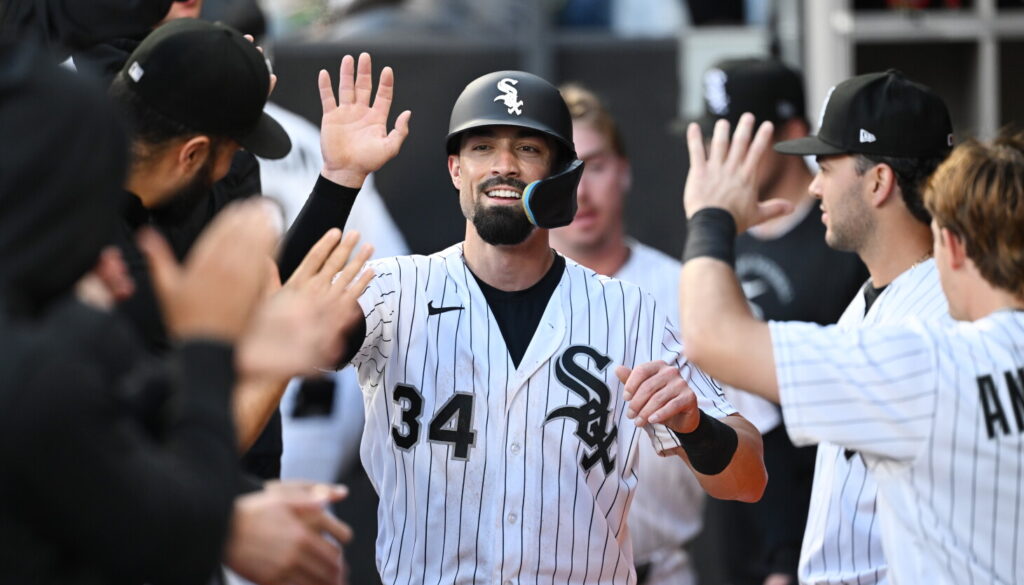
Against the grain of expert consensus, the Chicago White Sox have emerged atop their division standings following the All-Star break—a divisional title the organization had not secured in five years. The achievement marks a stunning reversal of fortune, as preseason forecasters largely dismissed the franchise’s postseason prospects before opening day.
Youth dominates the roster composition, with promising first-year players alongside developing position players capturing widespread attention. The pitching rotation carries questions about sustainability, and the bullpen has faced ongoing criticism from commentators and insiders alike.
Veteran outfielder Randal Grichuk, among a select group of seven roster members with meaningful postseason experience, credits an unexpected strength: the team’s collective naivety. In comments to the Chicago Sun-Times, Grichuk suggested the roster’s inexperience has proven advantageous rather than detrimental.
“We joke about being just dumb enough to not know, and just being dumb enough to just go play hard, and let it take care of itself,” Grichuk stated, describing the club’s uninhibited, aggressive mentality.
Grichuk contends the organization boasts more talent than baseball observers acknowledge, a perception shaped by the players’ age and the widespread skepticism greeting them entering the campaign. He has assumed responsibility for mentoring younger players navigating their professional development.
“This room is really talented, and I think it’s honestly more talented than the baseball world knows and would give us credit for, because we are so young,” he said.
All-Star center fielder Tristan Peters, a former Savannah Banana player in his rookie season, views the team’s youth as a tactical advantage opponents underestimate. Conversations during the All-Star Game highlighted how rival players assess the White Sox’s relaxed approach.
“Somebody said this to me at the All-Star game — they were just like, it just seems that we don’t care. Not that we don’t care, but we just play so loose,” Peters said. “It’s a special team, and I think we just know how to have fun, and baseball is supposed to be fun.”
Reliever Sean Newcomb reflected on his tenure with the Atlanta Braves, recalling their dramatic organizational pivot during the late 2010s. He identified the psychological transition distinguishing true contenders from merely optimistic squads.
“I remember in ’18 the first time we all popped bottles for clinching the division, and that came after we went from like 72-90 to 92-70,” Newcomb recalled, referencing Atlanta’s substantial turnaround.
The fundamental difference between “showing up expecting to win versus hoping to win” captures the essential mindset transformation Newcomb observes within the White Sox organization, he explained.
Manager Will Venable prepares for a demanding second half amid inevitable speculation regarding potential trades and roster composition changes. The second-year manager emphasized the critical importance of undivided concentration on daily objectives while navigating external noise.
“Now, [we’re] guaranteed it’s going to be trade-deadline stuff, and everyone talking about what we should do or where we’re at, when really all we need to do is do everything we can to win today,” Venable said. “That’s all that’s important.”

More Stories
Packers Running Back Josh Jacobs Placed on NFL Commissioner’s Exempt List Following Domestic Arrest
Chourio Reaches Historic Milestone With 20th Home Run as Brewers Dominate MLB
Jeff Kent Encourages Barry Bonds to Pursue Hall of Fame Induction During Giants Ceremony