


💛 A quick favor, if you've got a second.
We're really happy that you chose to read one of our stories and sincerely hope you'll stick around to read more. We took our paywall down — for now — but that won't last forever, and when the gate goes back up, we'd love for you to already be on the inside.
It's free. So please enter your email here and don't forget to like and follow us on all of your favorite Social Media platforms!
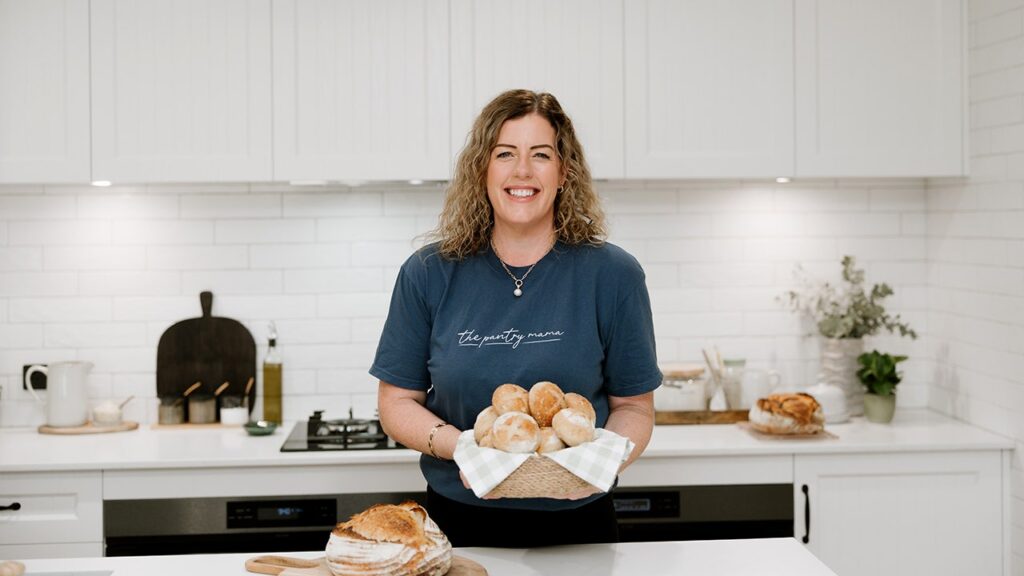
The widespread belief that sourdough demands round-the-clock attention is keeping many Americans from attempting the craft, according to Kate Freebairn, a recipe developer and food blogger based in rural Western Australia. While completing a sourdough loaf may span three days, the actual hands-on work involved is considerably less demanding than most people assume. Freebairn’s upcoming cookbook, “Easy Sourdough on Any Schedule,” aims to dismantle this barrier by demonstrating how bread baking can integrate seamlessly into existing daily routines.
“Even though a loaf of sourdough might take three days to complete, the actual time that you’ll have your hands in the dough might only be an hour,” Freebairn explained to Fox News Digital. The fermentation process happens passively while bakers attend to other obligations, she noted, fundamentally changing how busy people should conceptualize the undertaking. This distinction between elapsed time and active labor represents the core misunderstanding deterring potential home bakers from getting started.
Freebairn’s suggested schedule for working professionals involves feeding the starter before sleep, mixing dough during morning coffee, and allowing fermentation to occur during work hours. The dough can be shaped and refrigerated the evening it ferments, then baked fresh the following morning with minimal effort required. This approach eliminates the need to reorganize one’s life around baking commitments.
Beyond convenience, sourdough offers documented health advantages that distinguish it from commercial bread alternatives. The natural fermentation process enables microorganisms to begin breaking down the dough before consumption, potentially reducing blood sugar spikes and providing beneficial prebiotics for digestive health. Freebairn emphasized that superior flavor remains her favorite argument for choosing sourdough over conventional options.
Aspiring bakers need not purchase specialized equipment or expensive cookware to begin experimenting. A repurposed pickle jar serves adequately as a starter container, while standard mixing bowls can replace proofing baskets, according to Freebairn. She continues using a $30 Dutch oven purchased from budget retailer Aldi rather than investing in premium baking equipment.
Freebairn recommends that beginners prepare for an imperfect first attempt and anticipate requiring five to 10 tries before mastering basic technique. Her philosophy emphasizes starting with available resources, maintaining existing life patterns, and accepting initial failures as essential learning experiences. “There’s a lesson in every loaf,” she said, capturing her pragmatic approach to home bread production.
“Easy Sourdough on Any Schedule” will be released in September, offering detailed guidance for readers seeking to incorporate sourdough baking into their daily lives without significant disruption.

More Stories
Christa Pike Survives Botched Double Execution Attempt; Tennessee Halts Remaining 2026 Executions
Tennessee’s Lone Death Row Female is Scheduled for Execution Wednesday for 1995 Torture/Murder
Modern Science Finally Supports & Strengthens Biblical Account of the Crucifixion of Jesus Christ