

💛 A quick favor, if you've got a second.
We're really happy that you chose to read one of our stories and sincerely hope you'll stick around to read more. We took our paywall down — for now — but that won't last forever, and when the gate goes back up, we'd love for you to already be on the inside.
It's free. So please enter your email here and don't forget to like and follow us on all of your favorite Social Media platforms!
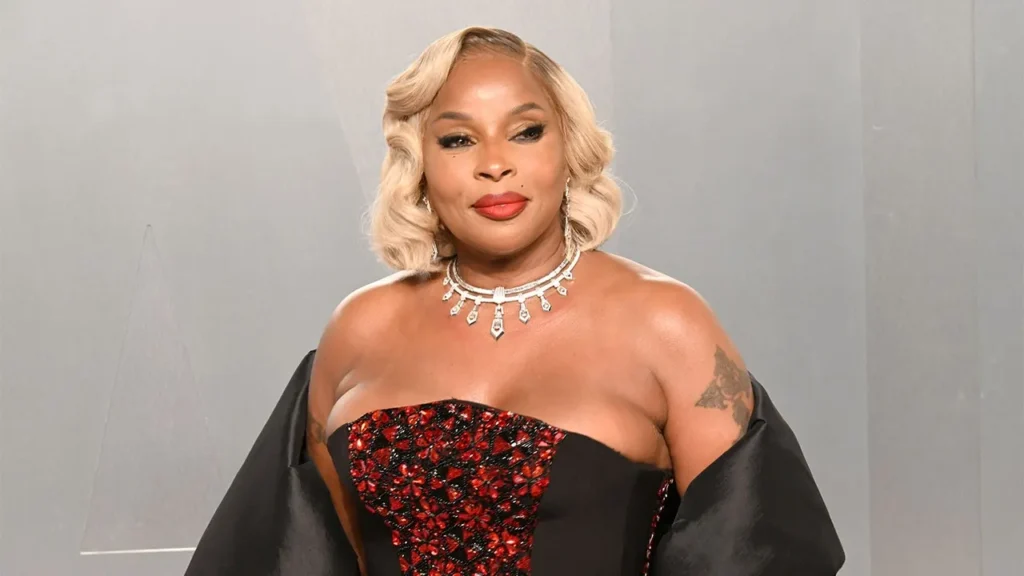
During an appearance on the “IMO” podcast hosted by Michelle Obama and Craig Robinson, R&B singer Mary J. Blige disclosed that spiritual teachings and guidance from religious figures proved instrumental in her journey toward self-awareness and professional autonomy. Blige explained that her transformation coincided with the release of her 2001 album “No More Drama,” when she began recognizing patterns of blame and mismanagement in her own career trajectory.
The 55-year-old performer acknowledged that she had previously directed anger and frustration toward those around her, failing to recognize her own culpability in professional setbacks. She recounted apologizing individually to everyone involved in producing the album once she understood the extent of her role in creating obstacles. “It wasn’t their fault. It was my fault,” Blige stated, describing a pivotal moment of personal accountability.
Blige attributed her shift in perspective to consuming content from televised pastors and spiritual teachers who addressed themes of pride and arrogance. She described consciously choosing to examine her behavior after absorbing their messages, ultimately deciding to reassess her approach to relationships and professional dealings. The singer emphasized the importance of a specific prayer—”Lord, show me myself”—that continues to guide her introspection.
During the podcast, Blige revealed that she had been surrounded by individuals who deliberately undermined her while others exploited her lack of industry knowledge. She acknowledged remaining unaware of financial mechanisms within music for an extended period, allowing associates to benefit from her ignorance. Her awakening prompted her to pursue education about the business side of her career, taking direct responsibility for her professional decisions.
Christian Toto, editor of HollywoodinToto.com, praised Blige’s willingness to embrace accountability rather than adopting victimhood narratives prevalent in entertainment. He noted that her candid acknowledgment of personal responsibility contrasts sharply with typical Hollywood discourse, where external blame predominates.
Seth A. Schachner, a former Sony Music executive, reinforced the contemporary relevance of Blige’s emphasis on business education for artists. He highlighted that modern musicians operating independently must still manage promotion, marketing, and distribution—responsibilities traditionally handled by record labels—making financial literacy essential for career sustainability.
Blige also discussed her earlier decision against motherhood, explaining that her younger self had witnessed family members sacrifice autonomy for childcare responsibilities. However, she revealed that her perspective evolved over time as she observed the fulfillment that children brought to relatives’ lives, suggesting a reconsideration of her previous stance.

More Stories
Christa Pike Survives Botched Double Execution Attempt; Tennessee Halts Remaining 2026 Executions
Tennessee’s Lone Death Row Female is Scheduled for Execution Wednesday for 1995 Torture/Murder
Modern Science Finally Supports & Strengthens Biblical Account of the Crucifixion of Jesus Christ