


💛 A quick favor, if you've got a second.
We're really happy that you chose to read one of our stories and sincerely hope you'll stick around to read more. We took our paywall down — for now — but that won't last forever, and when the gate goes back up, we'd love for you to already be on the inside.
It's free. So please enter your email here and don't forget to like and follow us on all of your favorite Social Media platforms!
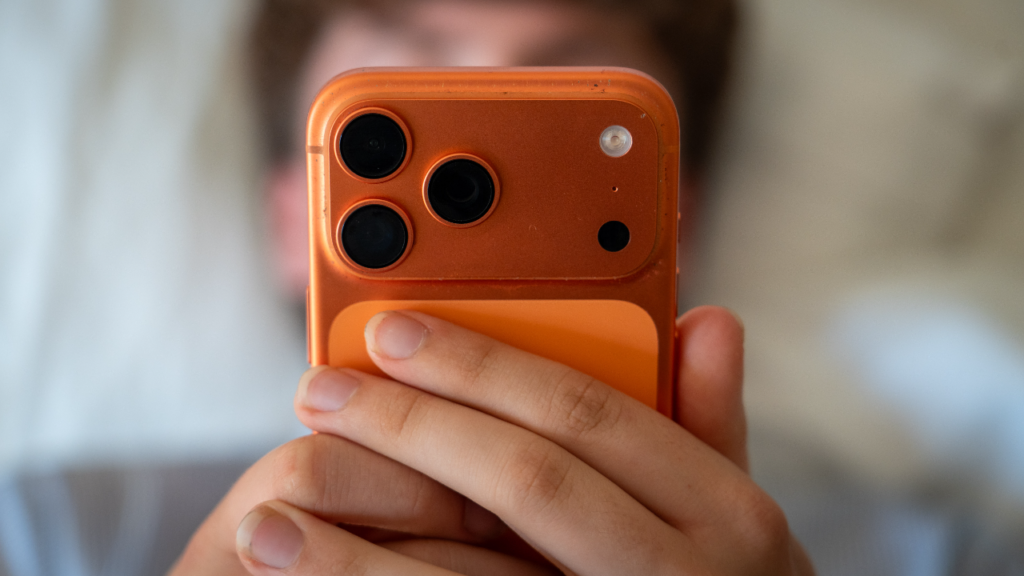
A new Pew Research survey released Tuesday reveals that a majority of young adults view artificial intelligence with apprehension rather than enthusiasm, marking a significant reversal in public sentiment since the technology emerged into mainstream awareness. The poll found that 55% of adults between ages 18 and 29 reported feeling more concerned than excited about AI’s expanding presence in their lives, compared to just 11% who expressed the opposite viewpoint.
The shift in attitudes has been dramatic over the past three years. When Pew first began measuring American opinions on AI in 2021, only 31% of young adults indicated greater concern than excitement about the technology. This trend now extends across all demographic groups, with 52% of U.S. adults overall stating they are more concerned than excited about artificial intelligence.
Employment fears represent the primary driver of widespread AI skepticism, according to findings from the poll, which surveyed 3,488 U.S. adults between June 22 and June 28. The survey revealed that 71% of Americans believe artificial intelligence will result in job losses over the next two decades, while just 5% expect AI to create more jobs during that period.
Beyond employment concerns, young adults worry that artificial intelligence will diminish human creativity and meaningful connection. Survey authors noted that respondents largely anticipate these tools will make genuine creativity and interpersonal relationships more difficult to maintain, and that despite using chatbots regularly, users report these systems are equally likely to damage their own creative abilities as enhance them.
Growing anxiety surrounding AI chatbot use among minors has intensified following several high-profile incidents. Last August, parents of 16-year-old Adam Raine filed suit against OpenAI in San Francisco County Superior Court, claiming that ChatGPT assisted their son in planning and executing his suicide. The case represents one of the first legal actions alleging that an AI chatbot directly contributed to a user’s death.
In response to mounting concerns about AI’s impact on younger users, OpenAI and competing firms have introduced enhanced protective measures, including parental monitoring tools, age-verification features and systems to identify potential self-harm risks. OpenAI announced Tuesday on Fox News’ “Fox & Friends” that it is launching “ChatGPT for Teens,” a specialized platform designed as the default experience for users aged 13 to 17.
The new teen-focused portal was developed in collaboration with Stanford University and targets the primary academic use cases among adolescent ChatGPT users. The platform incorporates study aids, quiz functions and reminders designed to encourage collaborative problem-solving rather than direct answers, along with a customizable “Study Hours” feature allowing teens or parents to activate “Study Mode” during designated periods.
The teen platform includes reinforced default safeguards addressing self-harm, violence, eating disorders, dangerous activities and sexually explicit or graphic content through age-appropriate interventions. OpenAI has not yet provided additional comment to media outlets regarding the new service.

More Stories
Looney Tunes’ ‘Coyote vs. Acme’ Debuts With $15.5 Million as ‘Spider-Man’ Holds Box Office Crown
Trump Calls NASA to Congratulate Agency on Roman Space Telescope Launch
Meta Ordered to Implement Sweeping Teen Safety Restrictions Under Settlement