


💛 A quick favor, if you've got a second.
We're really happy that you chose to read one of our stories and sincerely hope you'll stick around to read more. We took our paywall down — for now — but that won't last forever, and when the gate goes back up, we'd love for you to already be on the inside.
It's free. So please enter your email here and don't forget to like and follow us on all of your favorite Social Media platforms!
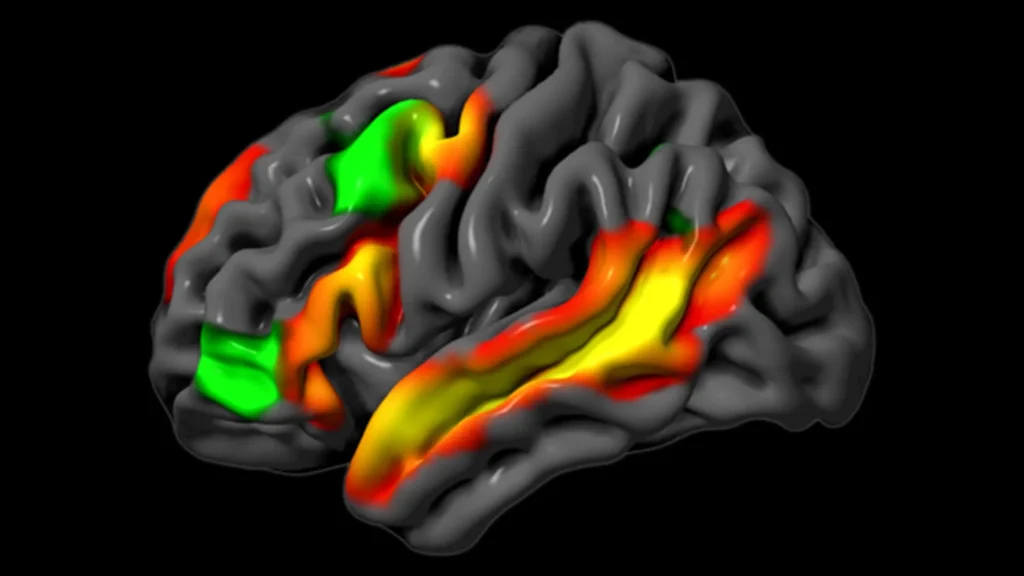
Researchers at MIT have identified compelling neurological evidence that reasoning and language rely on distinct brain systems operating in parallel. The findings challenge long-held assumptions about how cognition works, suggesting that logical thought does not depend on linguistic capability.
In their investigation, scientists examined patients who had suffered strokes resulting in significant language difficulties. Despite their impairments, these individuals performed at comparable levels to healthy participants when confronted with complex logic problems. The results indicated that language dysfunction did not hinder their capacity for abstract reasoning.
Brain imaging data collected during the study showed minimal activity in regions typically associated with language processing while subjects engaged in reasoning tasks. The scans provided direct evidence that the neural networks underlying logical analysis operate through mechanisms separate from those governing speech and linguistic comprehension.
The research expands understanding of how the brain compartmentalizes different cognitive functions and may have implications for treatment strategies in stroke patients and others with language-related neurological conditions.


More Stories
Archaeologists Unearth 1,300-Year-Old Trading Hub Near Ancient Jaffa in Israel
Month-Long HEPA Use Linked to Faster Cognitive Processing in Middle-Aged Adults
NASA Launches $4.3 Billion Roman Space Telescope to Search for Exoplanets and Dark Energy