


💛 A quick favor, if you've got a second.
We're really happy that you chose to read one of our stories and sincerely hope you'll stick around to read more. We took our paywall down — for now — but that won't last forever, and when the gate goes back up, we'd love for you to already be on the inside.
It's free. So please enter your email here and don't forget to like and follow us on all of your favorite Social Media platforms!
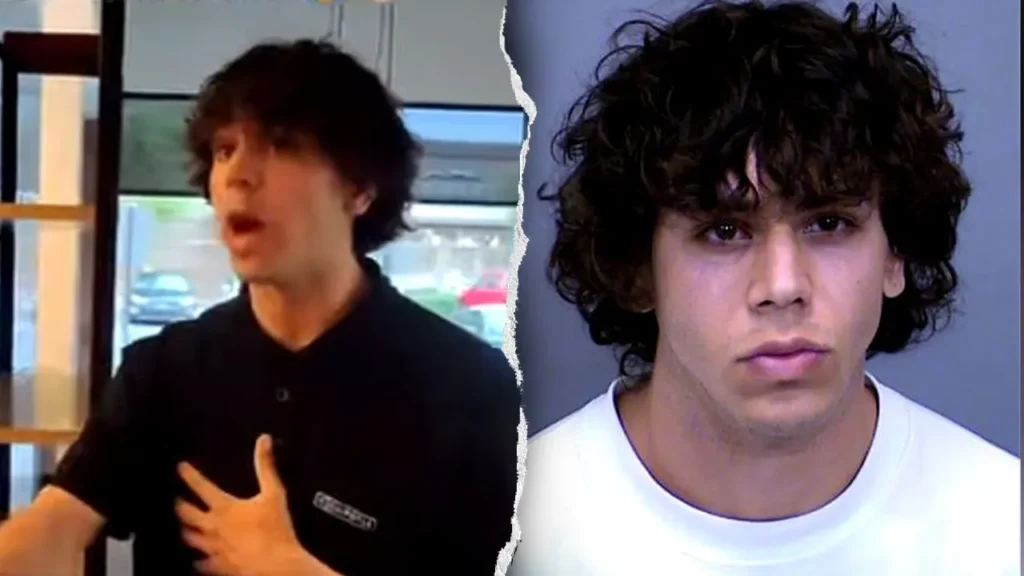
Heston James Cobb, an Arizona-based social media influencer whose prank videos accumulated millions of online views, entered a guilty plea Friday to criminal impersonation charges stemming from a series of coordinated business disruptions. The 21-year-old was arrested July 23, 2025, following an investigation by Tempe police that connected multiple incidents occurring between March and July of that year.
According to law enforcement, Cobb orchestrated elaborate schemes in which he and accomplices posed as employees at various establishments including Chipotle Mexican Grill, Pep Boys, Hyland Auto Repair, Big Brand Tire & Service, and Jiffy Lube. In one widely-shared video, Cobb wore a Chipotle uniform and announced he would “clean house” before a group of men in dark clothing entered the restaurant and disregarded staff requests to leave, with one individual even mopping a tabletop.
Cobb was arrested on charges including third-degree burglary, two counts of criminal impersonation, five counts of disorderly conduct, and five counts of criminal trespass. The videos posted to his social media accounts generated substantial viewership and potentially significant revenue for the influencer before his apprehension.
Steve Chucri, president of the Arizona Restaurant Association, expressed hope that Cobb’s punishment would be severe enough to discourage similar conduct. “There’s no place for it,” Chucri stated, emphasizing that the restaurant industry faces enough operational challenges without contending with disruptive social media stunts.
Matthew Pittman, a social media professor at the University of Tennessee in Knoxville, noted that Cobb’s case underscores that legal restrictions apply regardless of whether illegal actions occur offline or online for content creation purposes. “Doing something that is illegal in real life would also be illegal on social, even if you are doing it for content,” Pittman said.

More Stories
Federal voting arrest in New Jersey adds new pressure point in Sherrill-Trump standoff
Trump Threatens FCC Action Against NBC’s Welker Over Endorsement Coverage
Packers Running Back Josh Jacobs Placed on NFL Commissioner’s Exempt List Following Domestic Arrest