


💛 A quick favor, if you've got a second.
We're really happy that you chose to read one of our stories and sincerely hope you'll stick around to read more. We took our paywall down — for now — but that won't last forever, and when the gate goes back up, we'd love for you to already be on the inside.
It's free. So please enter your email here and don't forget to like and follow us on all of your favorite Social Media platforms!
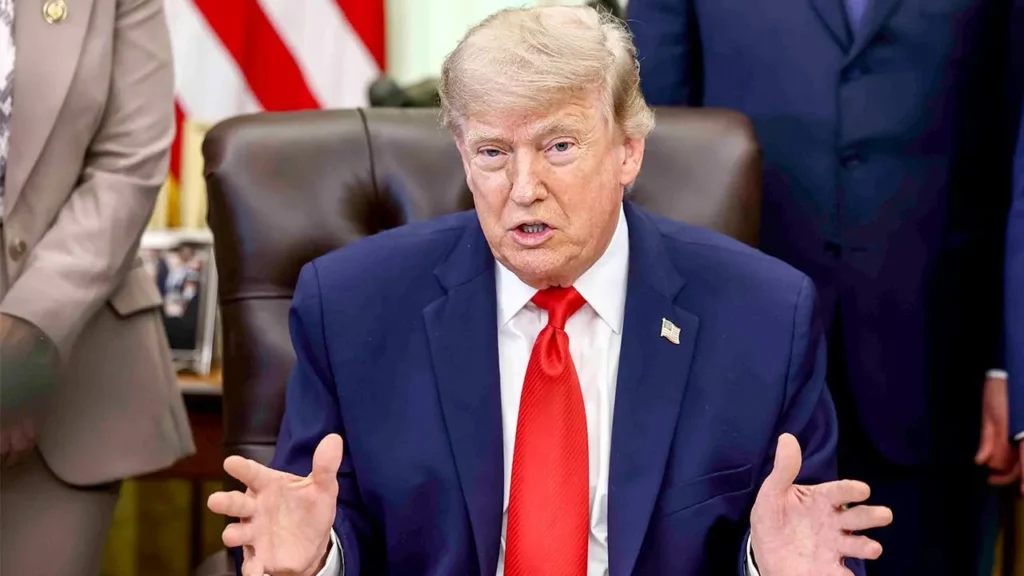
President Donald Trump announced Friday a significant agreement granting the United States majority control of more than 65 billion barrels of Venezuelan oil reserves, a transaction he characterized as historically unprecedented. The deal, brokered at Trump’s direction by Secretary of State Marco Rubio and Secretary of Defense Pete Hegseth in coordination with Venezuelan interim President Delcy Rodriguez, requires no direct expenditure from American taxpayers, according to the administration.
Oil trader Phil Flynn praised the agreement as a transformational development for American consumers and energy security. Speaking on Fox & Friends Weekend, Flynn stated the arrangement could generate sustained price reductions for generations while leveraging U.S. technological expertise to develop Venezuelan oil fields at unprecedented capacity levels. He characterized the move as particularly significant given longstanding concerns about depleting U.S. Strategic Petroleum Reserve supplies.
Trump stated the transaction more than doubles existing American oil reserves while substantially increasing domestic oil supply. Secretary of State Rubio called the accord a major foreign policy victory, describing it as advancing Trump’s America First agenda by securing stable, cost-effective energy reserves within the Western Hemisphere while simultaneously benefiting Venezuela’s economic prospects.
Flynn cautioned against expectations of immediate price reductions at gas pumps but suggested the agreement would create downward psychological pressure on markets. He attributed this potential relief to signals that global conflicts contributing to elevated fuel costs for years may be diminishing, creating a perception of reduced geopolitical risk in energy markets.

More Stories
Trump Threatens FCC Action Against NBC’s Welker Over Endorsement Coverage
Looney Tunes’ ‘Coyote vs. Acme’ Debuts With $15.5 Million as ‘Spider-Man’ Holds Box Office Crown
Trump Backs Christian-Led Initiative for Expedited U.S. Entry for Canadian Jews Facing Antisemitism