


💛 A quick favor, if you've got a second.
We're really happy that you chose to read one of our stories and sincerely hope you'll stick around to read more. We took our paywall down — for now — but that won't last forever, and when the gate goes back up, we'd love for you to already be on the inside.
It's free. So please enter your email here and don't forget to like and follow us on all of your favorite Social Media platforms!
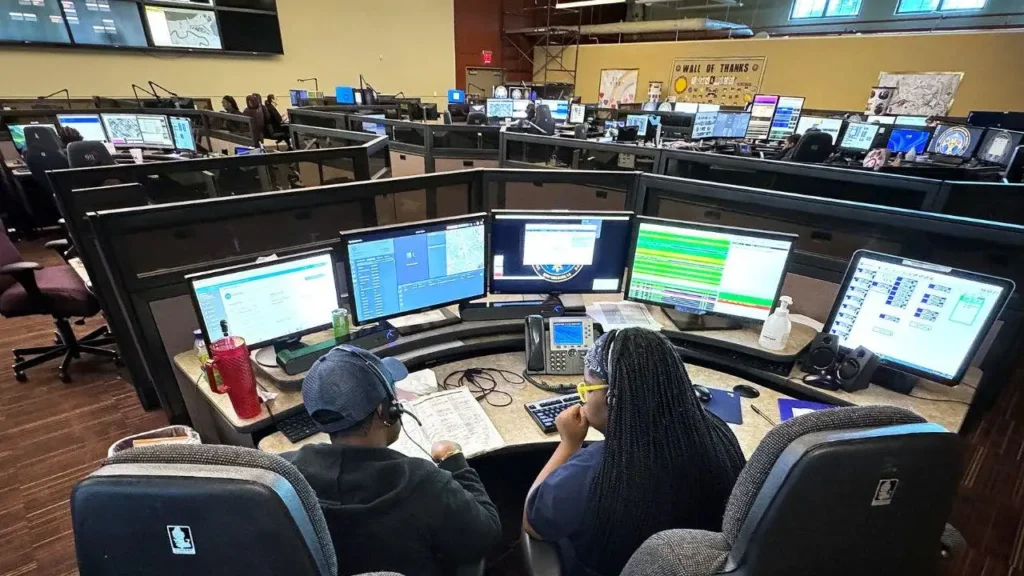
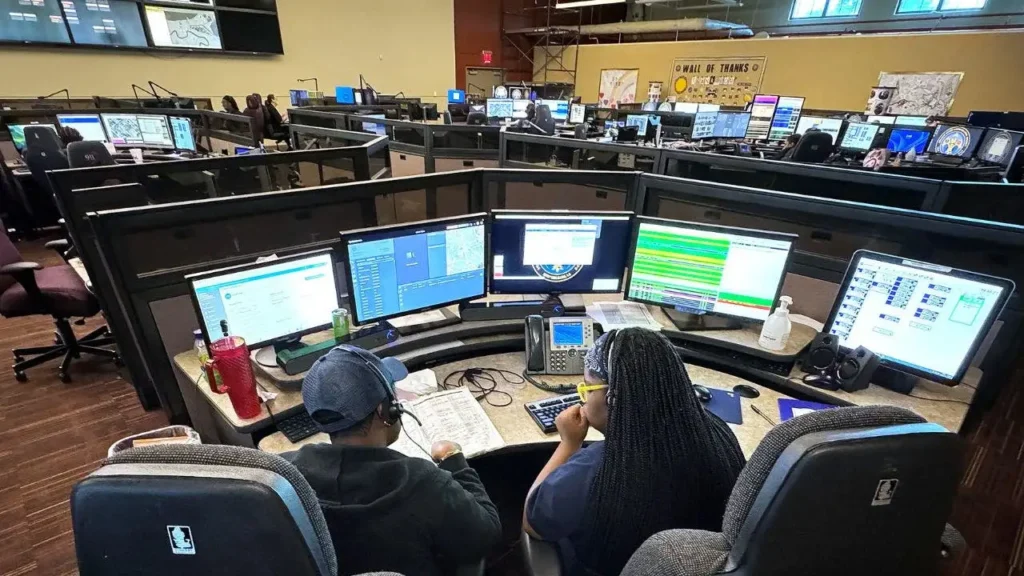
The Orleans Parish Communication District has begun using artificial intelligence to field certain 911 calls in a limited capacity, specifically those reporting accidents that emergency services have already documented. The AI system, developed by emergency communications company Carbyne and dubbed AI-V Emergency Call Triage, launched in 2023 to address the challenge of handling multiple calls about the same incident.
A single vehicle accident can generate dozens of calls from nearby drivers, overwhelming human call-takers during peak hours. The technology intervenes only when all available operators are occupied and when a caller’s location falls within 200 meters of a previously reported crash. The system remains inactive for all other categories of 911 calls in New Orleans.
When the AI answers, it identifies itself as New Orleans 911 and asks whether the caller is reporting an accident at a specific location. Any response other than confirmation triggers an immediate transfer to a human operator, regardless of language used. If the caller confirms they are calling about the known crash, the AI informs them that emergency services already know about it and offers to disconnect unless the person has additional information to provide.
The system cannot dispatch responders, determine call urgency, or terminate calls. The caller retains complete control over disconnecting. OPCD trained the AI using local 911 recordings to better recognize New Orleans accents and street names, addressing a common challenge for voice recognition systems in unfamiliar jurisdictions.
During the first three months of operation, OPCD reviewed 100 percent of calls handled by the system and reported finding no false positives or false negatives. Carbyne reported that the technology triaged more than 3,500 events during a 90-day period, reducing duplicate calls by over 30 percent and decreasing response times for distressed callers by up to 40 seconds on average.
All calls processed through the AI system are logged with standard metadata and audio recordings, preserving evidence for investigators. The technology does not upload call data to external large language models, addressing privacy concerns about emergency communications. OPCD’s compliance team continues to audit the system regularly.
The agency emphasized that the AI tool supports rather than replaces human call-takers, a critical distinction given ongoing staffing shortages across the 911 industry nationwide. OPCD has explored potential applications for AI triage in other call categories but has not deployed the technology beyond the automobile crash scenario. The agency said it will not expand AI use to additional 911 categories without demonstrating that the technology functions reliably.
As emergency communications centers nationwide grapple with resource constraints and high call volumes, New Orleans’ limited deployment serves as a test case for whether artificial intelligence can play a role in public emergency services. The decision underscores ongoing tension between technological efficiency and public expectations for immediate human contact during crises.

More Stories
Federal voting arrest in New Jersey adds new pressure point in Sherrill-Trump standoff
Colombia backs Trump security push while limiting U.S. role in anti-gang operations
Former NFL cheerleader and ex-aide face off in close Rhode Island GOP primary