


💛 A quick favor, if you've got a second.
We're really happy that you chose to read one of our stories and sincerely hope you'll stick around to read more. We took our paywall down — for now — but that won't last forever, and when the gate goes back up, we'd love for you to already be on the inside.
It's free. So please enter your email here and don't forget to like and follow us on all of your favorite Social Media platforms!
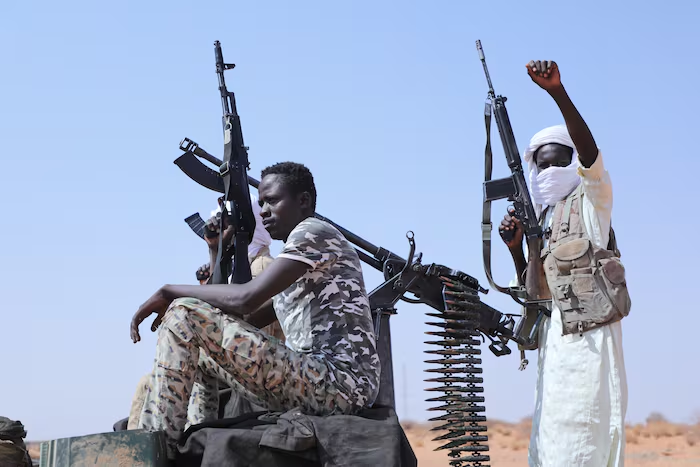
The United States called for enhanced United Nations sanctions Monday against combatants in Sudan’s prolonged conflict, arguing that stricter measures could compel both sides to the negotiating table. The fighting has claimed at least 59,000 lives, displaced approximately 13 million people, and created famine conditions across significant portions of the African nation, according to U.S. officials presenting the case to the U.N. Security Council.
Massad Boulos, President Donald Trump’s senior adviser for Arab and African affairs, identified external military, financial and political assistance as a primary factor sustaining the war, now in its fourth year of active combat. He did not specifically identify which countries are providing this support, though Egypt has openly backed Sudan’s military while the United Arab Emirates faces accusations from U.N. experts and humanitarian organizations of supplying weapons to the Rapid Support Forces—allegations the UAE has consistently rejected.
The American proposal would expand an existing arms embargo on Darfur, the western region that experienced mass killings between 2003 and 2005, to encompass the entire nation. The resolution also targets drone technology and unmanned aerial systems, which both the Sudanese army and the RSF are actively seeking to acquire and deploy.
The U.S. draft resolution condemns “the continuous influx of external military assistance, weapons, and ammunition to the warring parties” and demands all nations stop direct or indirect support including logistical, financial and military aid. Sudan’s military chief Gen. Abdel-Fattah Burhan rejected the prospect of sanctions, stating his forces would continue fighting until all RSF-controlled territory is secured.
The conflict erupted from tensions between Gen. Burhan and RSF commander Gen. Mohamed Hamdan Dagalo, who was previously his deputy, following Sudan’s transition to democracy after the 2019 ouster of President Omar al-Bashir. United Nations political chief Rosemary DiCarlo warned that despite extensive diplomatic attempts, both sides remain committed to a military victory rather than compromise.

More Stories
Federal voting arrest in New Jersey adds new pressure point in Sherrill-Trump standoff
Colombia backs Trump security push while limiting U.S. role in anti-gang operations
Former NFL cheerleader and ex-aide face off in close Rhode Island GOP primary