

💛 A quick favor, if you've got a second.
We're really happy that you chose to read one of our stories and sincerely hope you'll stick around to read more. We took our paywall down — for now — but that won't last forever, and when the gate goes back up, we'd love for you to already be on the inside.
It's free. So please enter your email here and don't forget to like and follow us on all of your favorite Social Media platforms!
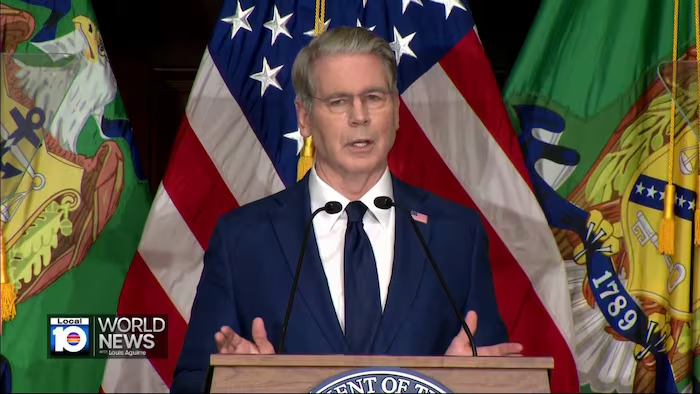
Treasury Secretary Scott Bessent rolled out an expanded sanctions package targeting Iran on Monday, simultaneously issuing a stark ultimatum to every nation conducting business with Tehran to cease those dealings immediately or face consequences from Washington. The new enforcement effort represents the substantive follow-through to President Donald Trump’s recent pledge to execute an “economic D-Day” against the Islamic Republic, focusing on financial isolation rather than military strikes.
Bessent indicated the administration would allow countries a grace period to distance themselves from Iran before implementing stricter measures, including potential secondary sanctions on third parties. He declined to target the global financial system more aggressively at this stage, though he emphasized that consequences would inevitably arrive for nations failing to comply with American expectations.
The Treasury Department sanctioned approximately 60 Iranian-linked entities accused of facilitating nuclear development, missile programs, cyber operations and petroleum exports. The action included designations against Hong Kong-based Sweet Ocean Industrial Limited and China-based Shenzhen Huamei, both alleged to have supplied Iran with restricted materials and logistical support.
When pressed on potential enforcement against China, Washington’s largest economic competitor, Bessent warned that no nation stood beyond the reach of American sanctions. He cautioned that entities participating in converting Iranian oil into financial resources would face targeting, though observers note the administration may exercise restraint given diplomatic developments scheduled with Beijing.
Iran’s currency plummeted to unprecedented lows concurrent with the announcement, reaching 2.02 million rials per dollar in open markets while inflation has driven rice prices up 60 percent and beef costs up more than 150 percent since hostilities escalated nearly six months earlier. The International Monetary Fund projects Iranian gross domestic product will contract by more than 5 percent.
Iranian parliamentary Speaker Mohammad Bagher Qalibaf dismissed the American pressure campaign, asserting that Tehran’s trading partners had already indicated they would disregard such directives. He argued Iran’s economic relationships with other nations remained resilient despite Washington’s public threats and private diplomatic overtures.
Pakistan deployed a high-level military delegation to Tehran on Monday led by Field Marshal Asim Munir to encourage resumed negotiations between Washington and Iran. The visit followed a Trump administration call with Munir and mirrors a similar Pakistani mediation effort in May that preceded a June ceasefire memorandum between the adversaries.
The conflict has devolved into competing claims over control of the Strait of Hormuz, through which one-fifth of globally traded petroleum passes before disruptions began. Iran now refuses full reopening unless permitted to impose charges on transiting vessels, while negotiations with Oman regarding joint waterway management reportedly near completion with an Omani delegation expected in Tehran this week.

More Stories
Colombia backs Trump security push while limiting U.S. role in anti-gang operations
Chicago Mayor Issues Executive Order Requiring Contractor Diversity Disclosures and ICE Ties Reporting
Federal Prosecutors Convene Special Grand Jury to Investigate D.C. Schools’ Attendance and Graduation Practices