


💛 A quick favor, if you've got a second.
We're really happy that you chose to read one of our stories and sincerely hope you'll stick around to read more. We took our paywall down — for now — but that won't last forever, and when the gate goes back up, we'd love for you to already be on the inside.
It's free. So please enter your email here and don't forget to like and follow us on all of your favorite Social Media platforms!
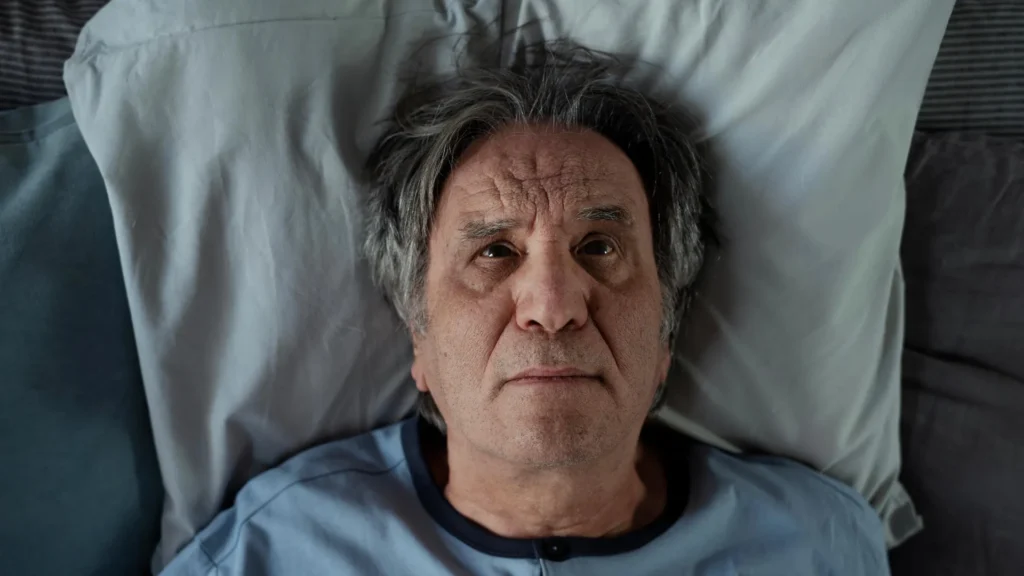
A comprehensive analysis of 23 biological aging markers has identified a narrow window of optimal sleep duration, with researchers finding that approximately 6.4 to 7.8 hours nightly produced the slowest aging effects at the cellular level. The study suggests that deviations from this range—whether sleeping significantly less or considerably more—may accelerate the body’s aging process across multiple biological systems.
Scientists discovered that both sleep deficiency and sleep excess correlated with heightened risk for conditions spanning several critical organ systems. The conditions identified included neurological complications, cardiovascular disease, pulmonary dysfunction, metabolic disorders, and gastrointestinal ailments, each potentially exacerbated by irregular sleep patterns outside the optimal range.
The findings underscore the importance of sleep consistency and duration as a modifiable factor in aging prevention. Researchers emphasize that sleep quality and quantity represent measurable health interventions that individuals can control to potentially slow biological aging and reduce disease susceptibility.

More Stories
Christa Pike Survives Botched Double Execution Attempt; Tennessee Halts Remaining 2026 Executions
Tennessee’s Lone Death Row Female is Scheduled for Execution Wednesday for 1995 Torture/Murder
Modern Science Finally Supports & Strengthens Biblical Account of the Crucifixion of Jesus Christ