


💛 A quick favor, if you've got a second.
We're really happy that you chose to read one of our stories and sincerely hope you'll stick around to read more. We took our paywall down — for now — but that won't last forever, and when the gate goes back up, we'd love for you to already be on the inside.
It's free. So please enter your email here and don't forget to like and follow us on all of your favorite Social Media platforms!
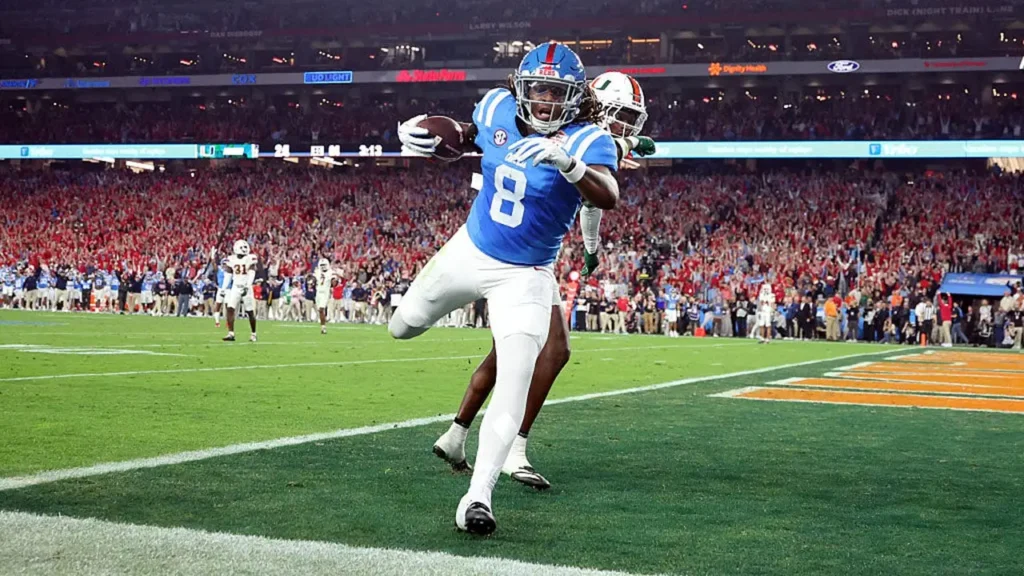
LSU football coach Lane Kiffin is on the verge of making college sports history by signing Dae’Quan Wright, a former tight end who briefly participated in NFL training camp with the Cleveland Browns. The move would mark the first instance of a player departing the professional league to return to collegiate competition, upending traditional eligibility rules that have governed the sport for decades.
A temporary restraining order issued by 19th Judicial District Court Judge Will Jorden in Baton Rouge last week created a narrow window for athletes from the 2022 recruiting class to explore this unconventional path. The court order, stemming from lawsuits challenging NCAA transfer restrictions, explicitly shields schools from NCAA or conference penalties for signing athletes protected by the ruling during this period.
Cleveland Browns head coach Todd Monken expressed bewilderment about the situation following a preseason game Sunday, revealing that Kiffin had called him a week earlier—a communication Monken did not return. “Man, isn’t this s— crazy?” Monken told reporters, acknowledging he now understood the purpose of Kiffin’s outreach regarding Wright.
The Southeastern Conference maintains a standing rule barring athletes from transferring between conference schools outside the normal portal window, a regulation established following former Alabama defensive back Mo Smith’s case. However, legal experts note no conference rule explicitly prohibits the specific path Wright is attempting: departing an SEC school for the NFL, then returning to a different conference program within the same calendar year.
Former LSU edge rusher Jack Pyburn may also attempt a return to Baton Rouge under similar circumstances this week. The court ruling grants participating schools immunity from NCAA and conference sanctions, fundamentally altering the competitive landscape.
Tennessee linebacker Arion Carter faces a two-game suspension for accepting a $427 plane ticket after initially declaring for the NFL draft. Carter withdrew from the draft process after discovering a foot injury and returned to Tennessee, triggering NCAA punishment for hiring an agent and accepting the payment.
Oregon coach Dan Lanning criticized the developing trend, arguing that allowing NFL players to return to college undermines roster management and disadvantages scholarship athletes who prepared throughout the offseason. “Once you go to the NFL, to me, you’re in the NFL. You don’t get the opportunity to come back,” Lanning said following Saturday’s practice.
LSU president Wade Rousse and athletic director Verge Ausberry could theoretically prevent the school’s involvement in the controversy, but doing so would surrender competitive advantage as other institutions exploit the same legal opening. The broader institutional reluctance to reject such opportunities reflects systemic pressure within college athletics.

More Stories
Federal voting arrest in New Jersey adds new pressure point in Sherrill-Trump standoff
Indiana coach Curt Cignetti tells restless Hoosiers fans not to gripe over 38-0 win
Modern Science Finally Supports & Strengthens Biblical Account of the Crucifixion of Jesus Christ