


💛 A quick favor, if you've got a second.
We're really happy that you chose to read one of our stories and sincerely hope you'll stick around to read more. We took our paywall down — for now — but that won't last forever, and when the gate goes back up, we'd love for you to already be on the inside.
It's free. So please enter your email here and don't forget to like and follow us on all of your favorite Social Media platforms!
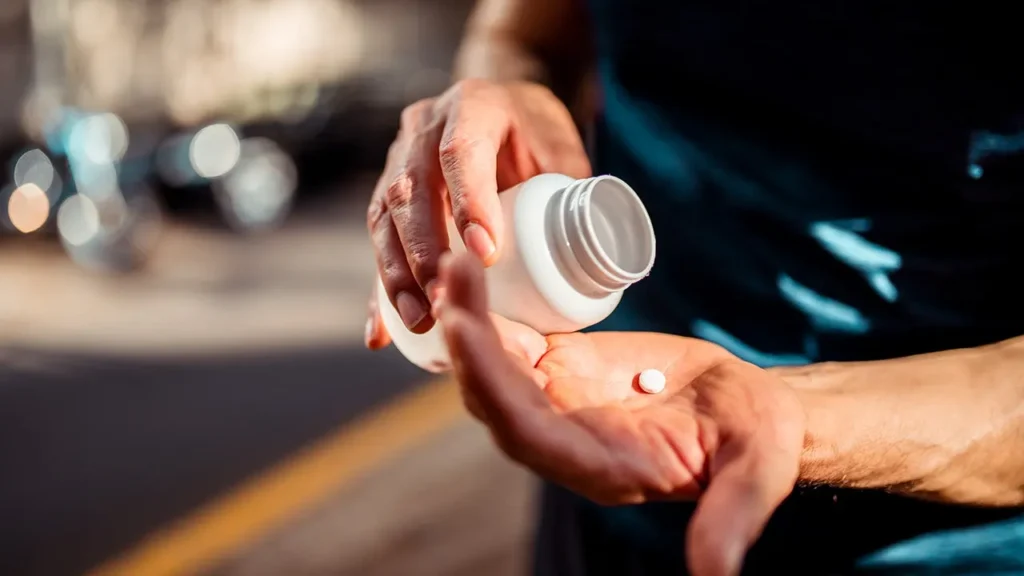
Millions of Americans take over-the-counter anti-aging supplements to boost energy and mitigate chemotherapy side effects, but researchers warn these products could actually undermine cancer treatment effectiveness. Case Western Reserve University School of Medicine scientists discovered that popular vitamin B3 derivatives—nicotinamide mononucleotide (NMN), nicotinamide riboside (NR), and nicotinamide (NAM)—may enable cancer cells to survive chemotherapy by helping them repair treatment-induced damage.
The compounds assist the body in producing NAD+, a molecule critical for cellular energy production and damage repair. Published in Cancer Letters, the study examined these supplements’ interaction with pancreatic cancer treatments, a disease with a notably poor 13% five-year survival rate according to the American Cancer Society. While NAD+ elevation offers health benefits to non-cancerous cells, pancreatic cancer cells may exploit the additional resources to withstand chemotherapy and avoid death.
Laboratory and animal model testing showed the supplements protected cancer cells against three standard chemotherapy drugs: oxaliplatin, 5-fluorouracil, and gemcitabine. Tumors exposed to these supplements survived chemotherapy doses that would normally prove lethal. Jordan Winter, study lead and professor at Case Western Reserve, emphasized the findings represent “a call to action for the medical community” regarding NAD+-boosting supplements during active cancer therapy.
The researchers stressed these B3 derivatives pose no danger to healthy individuals using them for general wellness purposes. The concern intensifies substantially for patients undergoing active cancer treatment. Winter cautioned that “‘natural’ doesn’t always mean safe, especially in the complex biology of cancer treatment,” urging patients in therapy to consult oncologists before taking any over-the-counter supplements.
The research team recommends oncology departments routinely screen patients for supplement use and called for expanded studies into NAD+ precursor interactions with cancer therapies. However, the team acknowledged limitations: findings based on laboratory cell cultures and animal models may not directly translate to human patients, and results focused exclusively on pancreatic cancer without examining other cancer types or drug combinations.

More Stories
New York Health Officials Sound Alarm Over Rising Measles Cases as School Year Approaches
CareCloud Breach Compromises 3.75 Million Patient Records, Among Largest Healthcare Data Thefts of 2026
Month-Long HEPA Use Linked to Faster Cognitive Processing in Middle-Aged Adults