


💛 A quick favor, if you've got a second.
We're really happy that you chose to read one of our stories and sincerely hope you'll stick around to read more. We took our paywall down — for now — but that won't last forever, and when the gate goes back up, we'd love for you to already be on the inside.
It's free. So please enter your email here and don't forget to like and follow us on all of your favorite Social Media platforms!
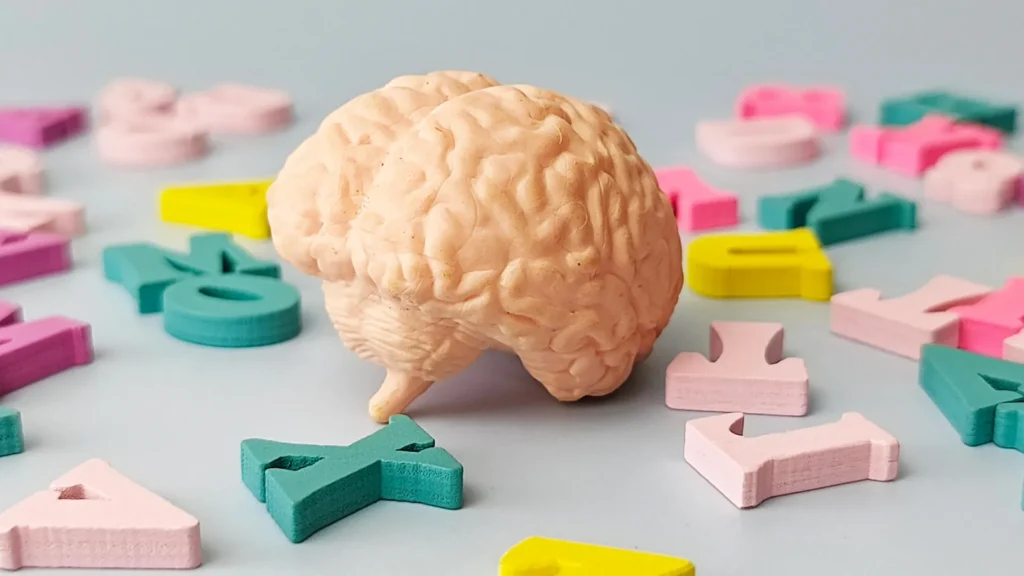
New research suggests that command of multiple languages may protect against cognitive decline, with speakers of four languages exhibiting brain characteristics roughly 13 years younger than those of people who speak only one language. The findings add to growing evidence that linguistic diversity offers measurable neurological benefits across the lifespan.
The strength of the protective effect appears tied to two key factors: the age at which multilingualism begins and the degree of fluency achieved in each language. Individuals who started learning additional languages earlier and developed high proficiency demonstrated the most pronounced slowing of brain aging.
The research underscores how cognitive engagement through language learning may build neural resilience, potentially delaying age-related deterioration in brain structure and function. Scientists continue investigating the mechanisms by which multilingualism influences brain health and longevity.

More Stories
Christa Pike Survives Botched Double Execution Attempt; Tennessee Halts Remaining 2026 Executions
Tennessee’s Lone Death Row Female is Scheduled for Execution Wednesday for 1995 Torture/Murder
Modern Science Finally Supports & Strengthens Biblical Account of the Crucifixion of Jesus Christ