

💛 A quick favor, if you've got a second.
We're really happy that you chose to read one of our stories and sincerely hope you'll stick around to read more. We took our paywall down — for now — but that won't last forever, and when the gate goes back up, we'd love for you to already be on the inside.
It's free. So please enter your email here and don't forget to like and follow us on all of your favorite Social Media platforms!
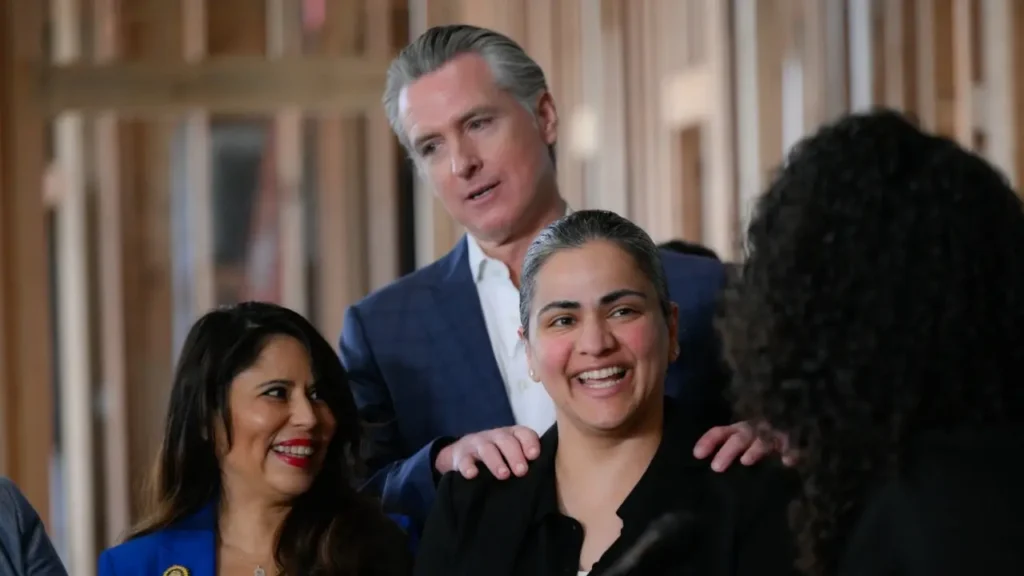
Aisha Wahab, a progressive state senator and assistant majority leader, prevailed over Melissa Hernandez, a moderate public transit executive, in a special election to fill the congressional seat vacated by disgraced Rep. Eric Swalwell. The contest highlighted deepening divisions within the Democratic Party between its establishment and progressive factions, with Wahab securing endorsements from California Attorney General Rob Bonta, Lt. Gov. Eleni Kounalakis and labor leader Dolores Huerta.
Hernandez countered with substantial funding from pro-establishment super PACs and backing from local officials. Wahab entered Election Day as the frontrunner after capturing 42.8 percent of the vote in the special primary compared to Hernandez’s 16.8 percent, though recent progressive underperformance in Michigan and Wisconsin primaries had tempered expectations for the left wing of the party.
California’s “jungle primary” system allowed both Wahab and Hernandez, both Democrats, to advance to the general election as the top two finishers, effectively excluding Republican candidates from a district that President Kamala Harris won handily in 2024. The special election victory is temporary, determining only who serves the remaining two months of Swalwell’s current term.
The pair will likely compete again in November for a full two-year congressional term under redrawn district boundaries. Incumbents typically enjoy electoral advantages, though the new map could reshape the competitive dynamics between the candidates.
Hernandez’s campaign attacked Wahab primarily over ethics concerns related to her record in the state legislature, while Wahab questioned her opponent’s progressive credentials by highlighting contributions from pro-Israel donors and super PAC spending. Wahab also leveled campaign finance allegations against Hernandez, accusing her of routing money through party committees to fund pro-Wahab mailings.
The Israeli-Palestinian conflict has emerged as a central battleground in Democratic Party internal politics, with progressives working to challenge lawmakers who support Israel. Wahab criticized Hernandez for accepting donations from pro-Israel sources and benefiting from related super PAC expenditures.

More Stories
Federal voting arrest in New Jersey adds new pressure point in Sherrill-Trump standoff
Colombia backs Trump security push while limiting U.S. role in anti-gang operations
Former NFL cheerleader and ex-aide face off in close Rhode Island GOP primary