


💛 A quick favor, if you've got a second.
We're really happy that you chose to read one of our stories and sincerely hope you'll stick around to read more. We took our paywall down — for now — but that won't last forever, and when the gate goes back up, we'd love for you to already be on the inside.
It's free. So please enter your email here and don't forget to like and follow us on all of your favorite Social Media platforms!
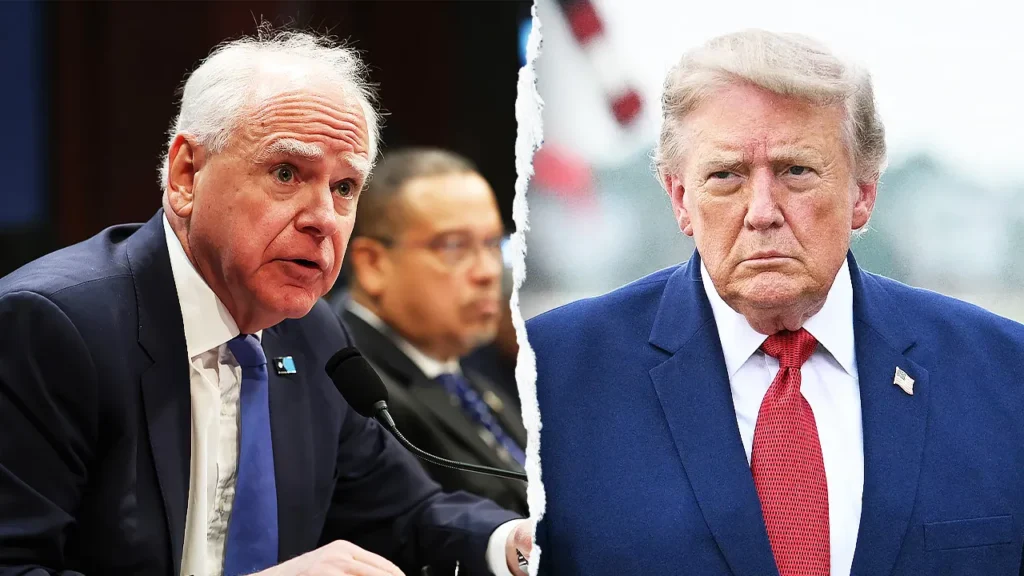
Minnesota Gov. Tim Walz moved to block mining operations near the Boundary Waters Canoe Area Wilderness on Tuesday, issuing an executive order that directly contradicts a Trump administration reversal of Obama-era protections. The action targets permits and leases affecting a substantial portion of the federally managed conservation area in northeast Minnesota, where deposits of copper and nickel remain largely untapped.
In April, President Donald Trump signed legislation that repealed a 20-year moratorium on new mining leases established during the Biden administration. The measure passed both chambers of Congress with backing from Rep. Pete Stauber, R-Minn., before reaching the president’s desk for signature. Walz’s executive order now creates a state-level barrier to those federally authorized mining activities.
House Majority Whip Tom Emmer of Minnesota characterized the governor’s decision as reckless and economically harmful. Speaking to Fox News Digital, Emmer argued that Walz was prioritizing environmental concerns over national security and domestic mining capabilities, suggesting the policy would benefit American adversaries by forcing reliance on foreign mineral sources.
The Duluth Complex in northeastern Minnesota contains North America’s largest known reserve of untapped nickel and copper, metals essential for electric vehicles, military applications, and consumer electronics. Emmer contended that failing to develop these domestic resources would disadvantage the United States against China’s mining industry while leaving union jobs in the region unfilled.
Environmental advocates rallied behind Walz’s order, with Save The Boundary Waters executive director Ingrid Lyons praising the governor for protecting the waterway’s headwaters from contamination. She referenced public opposition to mining in the area and called for the state legislature to cement protections through permanent legislation.
Emmer rejected environmental groups’ framing of the debate, asserting that mining opponents unfairly claimed moral superiority on conservation issues. He maintained that Minnesota’s strict environmental regulations would ensure safe extraction practices superior to mining operations conducted elsewhere, particularly in nations less committed to environmental standards.

More Stories
Federal voting arrest in New Jersey adds new pressure point in Sherrill-Trump standoff
Colombia backs Trump security push while limiting U.S. role in anti-gang operations
Former NFL cheerleader and ex-aide face off in close Rhode Island GOP primary