


💛 A quick favor, if you've got a second.
We're really happy that you chose to read one of our stories and sincerely hope you'll stick around to read more. We took our paywall down — for now — but that won't last forever, and when the gate goes back up, we'd love for you to already be on the inside.
It's free. So please enter your email here and don't forget to like and follow us on all of your favorite Social Media platforms!
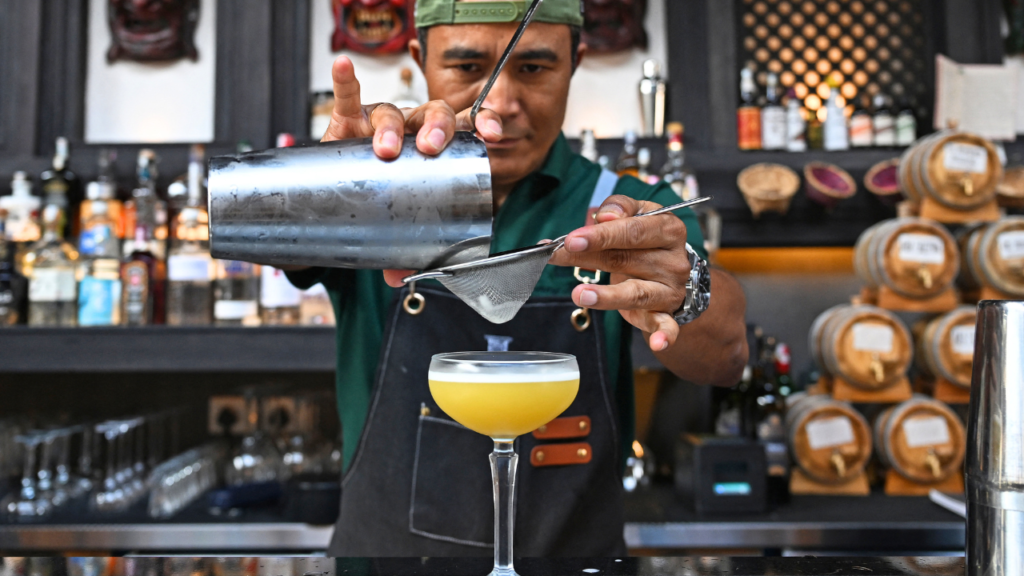
A threatened 50% tariff on Canadian spirits stands to upend the beverage industry on both sides of the border as President Donald Trump escalates trade tensions with Canada. The proposed levy would affect roughly $20 billion in Canadian imports, including whisky, vodka, gin, rum, wine and beer, creating ripple effects throughout U.S. bars, restaurants and liquor retailers already grappling with supply chain uncertainties.
Chris Swonger, president and CEO of the Distilled Spirits Council, framed the tariff as potential leverage to force Canadian provinces to reverse their bans on American spirits. He cited a 73% collapse in U.S. distilled spirits exports to Canada, noting that the country has dropped from the second-largest market for American spirits in previous years to sixth place in 2025, with exports plummeting from $203 million in 2024 to $60 million through December 2025.
Trump and Canadian Prime Minister Mark Carney engaged in last-minute negotiations Tuesday ahead of a midnight deadline to avert the tariffs. The dispute centers on earlier U.S. tariffs that prompted Canadian provinces to pull American spirits from store shelves, triggering the sharp decline in bilateral trade.
Kentucky, which produces 95% of the world’s bourbon and sustains over 23,000 industry jobs, faces particular vulnerability to the trade restrictions. Before the dispute escalated, Canada represented a roughly $250 million annual market for American distillers, making the recent downturn especially consequential for the sector.
Swonger acknowledged that while the tariff threat could pressure Canada to reverse course, the American spirits industry ultimately opposes the levy taking effect. A 50% tariff would prove “absolutely devastating” to Canadian distillers while creating significant hardship for American hospitality businesses that source distinctive Canadian products unavailable through domestic suppliers.
The industry’s stated preference remains a return to tariff-free trade rather than an escalating duties war. With negotiations continuing and the deadline approaching, distillers await word on whether Trump’s pressure strategy yields a negotiated resolution.

More Stories
Trump Threatens FCC Action Against NBC’s Welker Over Endorsement Coverage
Looney Tunes’ ‘Coyote vs. Acme’ Debuts With $15.5 Million as ‘Spider-Man’ Holds Box Office Crown
Trump Backs Christian-Led Initiative for Expedited U.S. Entry for Canadian Jews Facing Antisemitism