

💛 A quick favor, if you've got a second.
We're really happy that you chose to read one of our stories and sincerely hope you'll stick around to read more. We took our paywall down — for now — but that won't last forever, and when the gate goes back up, we'd love for you to already be on the inside.
It's free. So please enter your email here and don't forget to like and follow us on all of your favorite Social Media platforms!
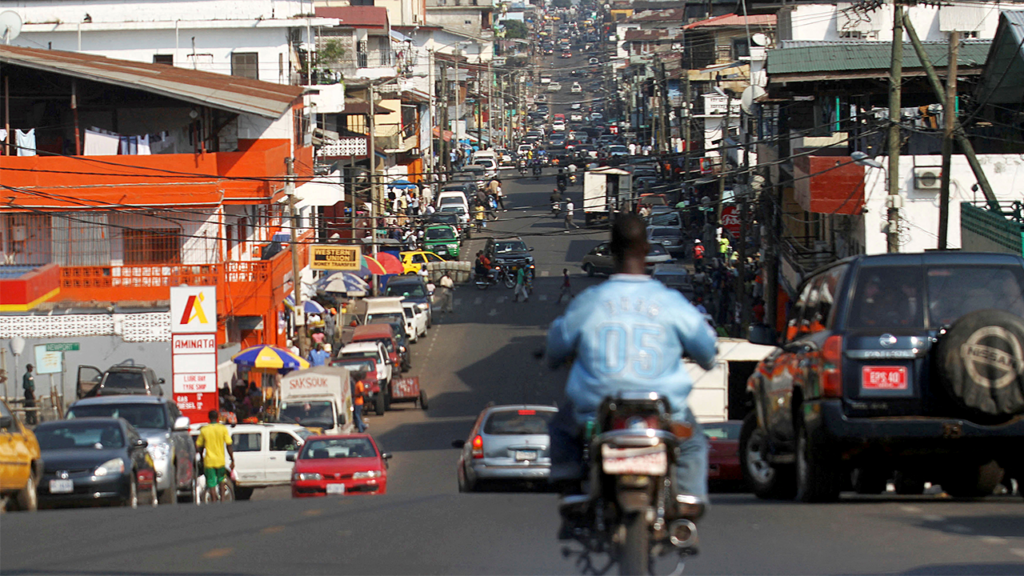
Liberia announced Tuesday it will receive as many as 1,200 deportees from the United States who are nationals of third countries, cementing one of the largest such arrangements under the Trump administration’s immigration enforcement agenda. The West African nation’s President Joseph Boakai, who visited the White House last year alongside four other regional leaders to meet with U.S. President Donald Trump, signed the bilateral agreement establishing the arrangement. An initial cohort of 20 deportees is scheduled to arrive Thursday, according to Liberia’s Information Minister Jerolinmek Piah.
The deportees sent to Liberia over the coming 12 months will originate from Africa, North America, South America and the Caribbean, Piah explained during remarks to the press. Liberia’s Justice Minister Natu Oswald Tweh stated the nation had conducted background screening on incoming migrants, noting that most faced immigration violations and offenses in the United States. However, the Liberian government emphasized that the arriving individuals are not criminals and face no prosecution in either U.S. or Liberian courts.
The deportees will be treated as guests with the freedom to depart and pursue asylum applications within Liberia, Piah said. The U.S. government will provide financial and technical support to assist Liberia in administering the program and upgrading its migration infrastructure, though Piah rejected characterizations of the arrangement as a quid pro quo transaction.
Liberia framed its participation as a humanitarian gesture rooted in the nation’s historical connection to the United States, specifically its 19th-century origins as a settlement for formerly enslaved and free Black Americans. The government cited its tradition of sheltering people fleeing political turmoil and other crises as justification for the agreement.
The U.S.-Liberia accord stipulates that Liberia will not return deportees to their home countries while protection claims remain pending and that both nations will comply with international refugee and anti-torture obligations. The Trump administration has defended similar third-country deportation deals as legally permissible under federal immigration statute, which authorizes removal to willing nations.
Since January, the administration has orchestrated agreements with roughly two dozen countries to absorb third-country deportees, with approximately 10 located in Africa, according to immigration advocacy groups. Some agreements have remained largely unpublicized. Other African nations participating in the program include the Democratic Republic of Congo, Central African Republic, Equatorial Guinea, Cameroon, Ghana and Sierra Leone.
Human rights organizations have criticized the removals, contending that certain migrants have been sent to nations they have never resided in or where they face potential security threats. The Supreme Court last year blocked a lower-court ruling that would have imposed additional procedural safeguards on third-country removals while litigation proceeds.

More Stories
Federal voting arrest in New Jersey adds new pressure point in Sherrill-Trump standoff
Colombia backs Trump security push while limiting U.S. role in anti-gang operations
Former NFL cheerleader and ex-aide face off in close Rhode Island GOP primary