


💛 A quick favor, if you've got a second.
We're really happy that you chose to read one of our stories and sincerely hope you'll stick around to read more. We took our paywall down — for now — but that won't last forever, and when the gate goes back up, we'd love for you to already be on the inside.
It's free. So please enter your email here and don't forget to like and follow us on all of your favorite Social Media platforms!
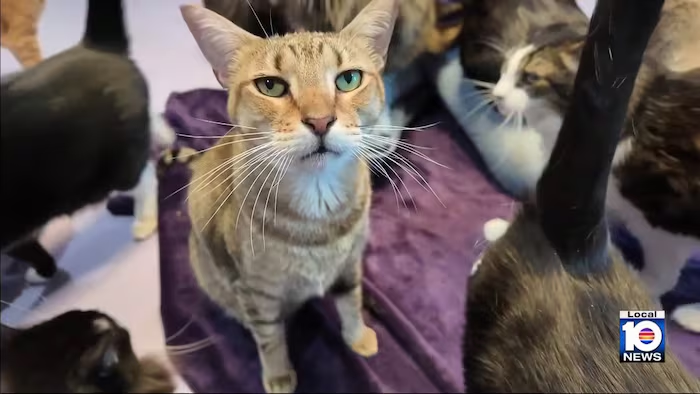
A highly infectious and often fatal virus has reached epidemic proportions among felines in South Florida this summer, overwhelming local animal rescue operations. Deborah Pachano, director of Pretty Kitty Rescue in Miami, stated the organization has experienced unprecedented mortality rates far exceeding typical seasonal cases. Staff at rescue facilities report witnessing the rapid deterioration and death of both kittens and adult cats at alarming frequencies.
Feline panleukopenia, also known as feline parvovirus, represents the culprit behind the surge. Amy Dombkowski, a veterinary technician at Purrr Adoption & Sanctuary, which houses more than 200 cats, explained that while the virus has long plagued kittens, a new strain now affects adult felines with devastating speed. Infected animals display symptoms including appetite loss, dehydration, vomiting, diarrhea, and severe lethargy within two to seven days of exposure.
South Florida’s climate and overcrowded cat population create ideal conditions for rapid viral transmission. The region’s warm temperatures and concentration of unvaccinated felines accelerate spread, often before symptoms emerge. Broward County Animal Care reported eight to ten cat room quarantines this summer due to exposure incidents, while Miami-Dade Animal Services documented 216 cases through the year.
No cure exists for panleukopenia, with many cats dying within 24 to 48 hours of showing clinical signs. Tanya Lynn Heller, founder of Purrr Adoption & Sanctuary, launched a low-cost vaccination initiative charging $25 per dose, with three doses recommended for complete protection. The rescue aims to combat widespread vaccine hesitancy among foster families experiencing burnout from repeated losses.

More Stories
Forest Service Proposes Steep Fee Increases at Lake Tahoe Recreation Sites
New York Health Officials Sound Alarm Over Rising Measles Cases as School Year Approaches
Son Discovers Father Missing After Himalayan Disaster in Nepal-Tibet Border Region