


💛 A quick favor, if you've got a second.
We're really happy that you chose to read one of our stories and sincerely hope you'll stick around to read more. We took our paywall down — for now — but that won't last forever, and when the gate goes back up, we'd love for you to already be on the inside.
It's free. So please enter your email here and don't forget to like and follow us on all of your favorite Social Media platforms!
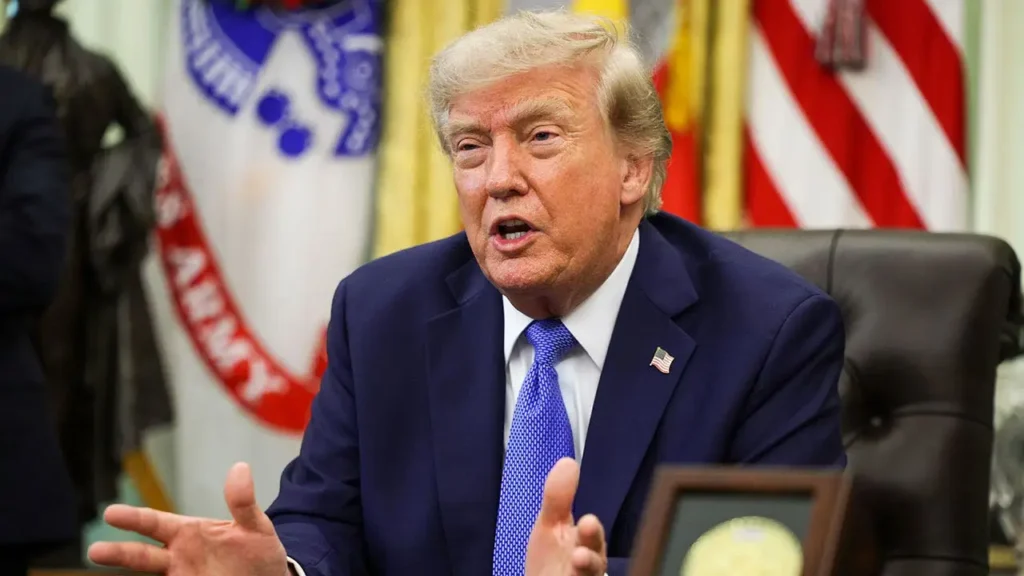
The Fifth U.S. Circuit Court of Appeals on Thursday dismissed a legal challenge to President Donald Trump’s invocation of the Alien Enemies Act, determining the case had become moot after all three Venezuelan plaintiffs had already been removed from the country through other deportation authorities. The New Orleans-based court’s decision leaves unresolved the fundamental question of whether Trump lawfully wielded the centuries-old statute to expel alleged members of the Venezuelan gang Tren de Aragua.
The Alien Enemies Act, enacted in the 18th century, grants presidents authority to detain and remove non-citizens of hostile foreign powers during wartime or invasion scenarios. President Harry Truman last invoked the law in 1946, making Trump’s deployment of it the first presidential use in nearly 80 years. The Trump administration has characterized Tren de Aragua’s criminal operations as an “invasion or predatory incursion” justifying the act’s application as part of its aggressive immigration enforcement strategy.
The Supreme Court previously halted the administration from removing detainees under the Alien Enemies Act while litigation proceeded, but declined to rule on the statute’s lawful invocation, returning the matter to the Fifth Circuit. The full panel of 17 active judges rejected plaintiffs’ lawyers’ request to add substitute defendants after deportations rendered the original case moot, effectively sidestepping the constitutional questions.
Legal experts offered competing interpretations of the ruling. Judge James Ho, a Trump appointee, signaled in his concurring opinion that presidential declarations of invasion warrant judicial deference under the act. However, George Mason University law professor Ilya Somin countered that allowing presidents to unilaterally declare invasions would convert constitutionally limited emergency powers into tools of unchecked executive authority.
The dismissal on mootness grounds has likely prolonged resolution of the controversy, with the Supreme Court potentially addressing the question through a separate pending case that maintains an active class of plaintiffs and thus avoids similar mootness obstacles.

More Stories
Federal voting arrest in New Jersey adds new pressure point in Sherrill-Trump standoff
Trump Threatens FCC Action Against NBC’s Welker Over Endorsement Coverage
Packers Running Back Josh Jacobs Placed on NFL Commissioner’s Exempt List Following Domestic Arrest