

💛 A quick favor, if you've got a second.
We're really happy that you chose to read one of our stories and sincerely hope you'll stick around to read more. We took our paywall down — for now — but that won't last forever, and when the gate goes back up, we'd love for you to already be on the inside.
It's free. So please enter your email here and don't forget to like and follow us on all of your favorite Social Media platforms!
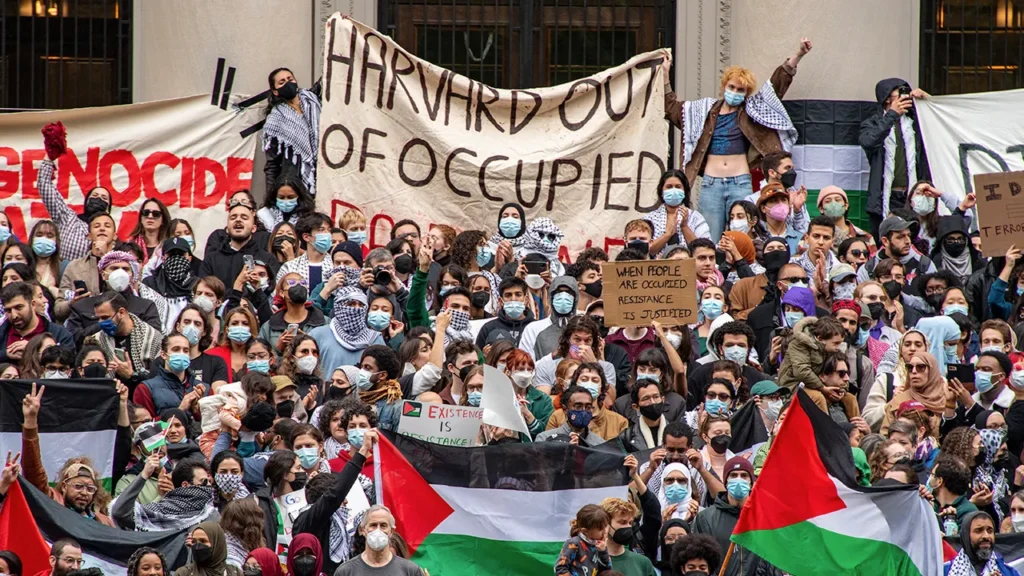
The University of Washington canceled a scheduled lecture by streamer Hasan Piker following concerns about free speech implications and the speaker’s controversial background. The decision sparked debate over institutional responsibility in platforming speakers with polarizing viewpoints.
The University of Michigan announced plans to shield incoming freshman letter grades from transcripts as part of a broader mental health initiative designed to reduce academic pressure on students. The policy aims to improve psychological well-being during the critical transition to college life.
The half-sister of political figure El-Sayed was arrested after allegedly assaulting a police officer during an anti-ICE protest, according to reports. The woman has been described as a radical professor with a record of activism.
The Anti-Defamation League warned that campus antisemitism extends far beyond student demonstrations, infiltrating classroom environments and academic discourse at universities nationwide. The organization documented incidents suggesting systematic bias in educational settings.
Florida State University is undergoing a federal civil rights investigation regarding race and sex-based scholarship programs. Federal authorities are examining whether the funding mechanisms comply with applicable civil rights laws.
College campuses are experiencing shifting attitudes toward socialist ideology, with Gen Z students demonstrating measurable resistance to communist messaging. The generational divide suggests changing political preferences among younger demographics entering higher education.
More Stories
Federal voting arrest in New Jersey adds new pressure point in Sherrill-Trump standoff
Colombia backs Trump security push while limiting U.S. role in anti-gang operations
Former NFL cheerleader and ex-aide face off in close Rhode Island GOP primary