


💛 A quick favor, if you've got a second.
We're really happy that you chose to read one of our stories and sincerely hope you'll stick around to read more. We took our paywall down — for now — but that won't last forever, and when the gate goes back up, we'd love for you to already be on the inside.
It's free. So please enter your email here and don't forget to like and follow us on all of your favorite Social Media platforms!
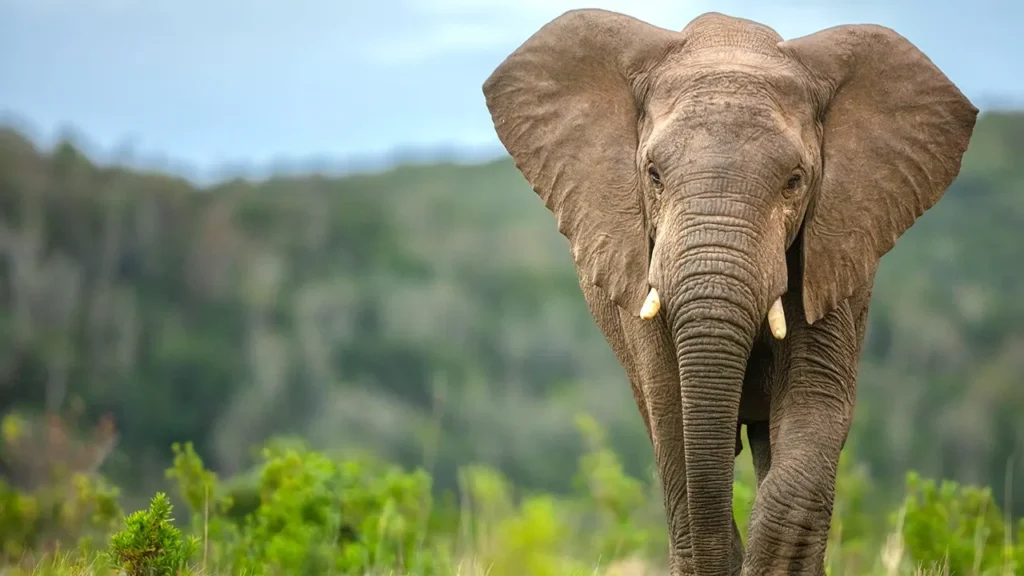
An international team of archaeologists and paleoanthropologists has identified what they call the earliest direct evidence of human butchery of proboscideans, including a newly discovered elephant processing site. The findings, published this spring in the journal eLife, provide insight into the hunting practices and survival strategies of our ancient ancestors nearly 2 million years ago.
The research focused on Olduvai Gorge, located in Tanzania’s Serengeti Plains, a region long recognized for yielding significant discoveries of early human fossils and stone tools. Excavators recovered stone implements alongside the skeletal remains of Elephas recki, an extinct elephant species dating back approximately 1.8 million years to the early Pleistocene epoch.
Analysis of the bones suggests that early human ancestors deliberately processed elephant carcasses in a methodical manner rather than simply scavenging opportunistically. The discovery indicates a marked shift in behavior accompanied by larger, more complex occupation sites, reflecting substantial ecological and technological advancement among these hominin groups.
According to the research, access to megafauna such as elephants provided early humans with substantial nutritional resources. The food surplus generated through systematic exploitation of large animals would have offered a significant survival advantage, supporting both the subsistence needs and social organization of early human communities.
The findings suggest that early human capacity to butcher large animals represents a unique evolutionary development with no equivalent among modern species. Researchers continue to uncover additional evidence about prehistoric diets and human adaptation throughout different historical periods.


More Stories
Tennessee’s Lone Death Row Female is Scheduled for Execution Wednesday for 1995 Torture/Murder
Modern Science Finally Supports & Strengthens Biblical Account of the Crucifixion of Jesus Christ
Nurse Killed in Hit-and-Run Collision in Brooklyn