


💛 A quick favor, if you've got a second.
We're really happy that you chose to read one of our stories and sincerely hope you'll stick around to read more. We took our paywall down — for now — but that won't last forever, and when the gate goes back up, we'd love for you to already be on the inside.
It's free. So please enter your email here and don't forget to like and follow us on all of your favorite Social Media platforms!
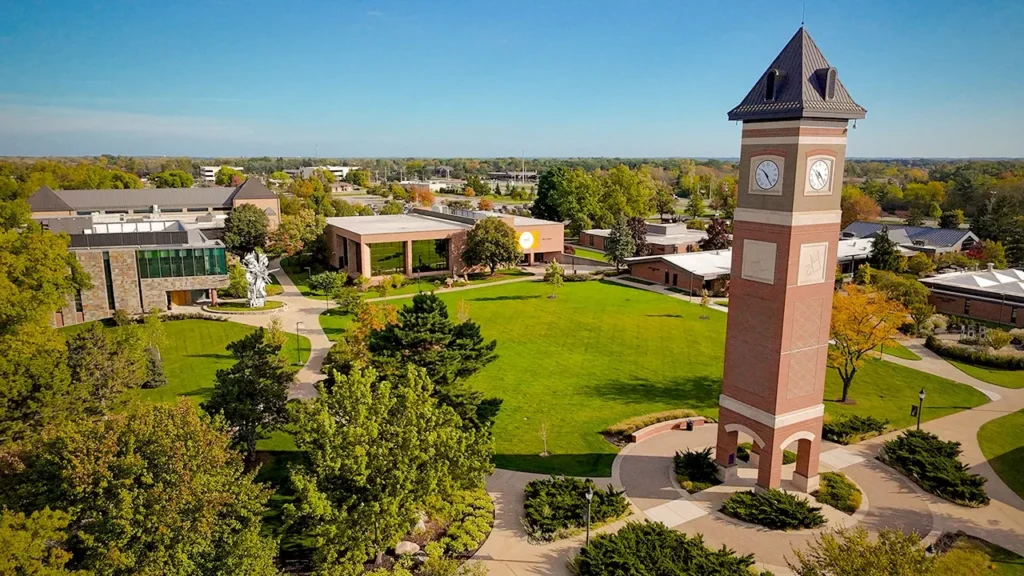
A newly released Gallup poll conducted jointly with the Lumina Foundation reveals a significant disconnect: while college students largely support their institution’s administrative decisions, the broader American public has grown increasingly skeptical of higher education. The survey of 3,801 currently enrolled associate and bachelor’s degree students, ages 18 to 59, was conducted between October 2 and October 31.
More than half of college students—55 percent—believe their school’s leadership makes decisions with their interests in mind. Specifically, 12 percent say administrators act in their best interest “all of the time,” while 43 percent report “most of the time.” Another 35 percent said leadership acts in their interest “some of the time,” with 9 percent saying “rarely” and 2 percent saying “never.”
Despite this institutional confidence, notable reservations persist. The survey found that more than four in 10 students question whether their college or university consistently prioritizes their welfare. Students at top-tier institutions, as ranked by U.S. News & World Report, proved slightly more skeptical of administrative priorities than their peers at other schools.
The findings paint a sharp contrast with public sentiment. Just 38 percent of American adults maintain “a great deal” or “quite a lot” of confidence in higher education—a decline from 42 percent the previous year. A Gallup expert attributed the decline to three persistent concerns: rising tuition costs, perceptions of political bias in curricula, and doubts about whether colleges adequately prepare students for employment.
Students themselves acknowledge the value proposition despite reservations about leadership. By substantial margins, both current students and graduates agreed their degrees are worth the investment and important to career advancement. Still, campus leadership generates considerably more confidence among students than elected political officials do.

More Stories
Federal voting arrest in New Jersey adds new pressure point in Sherrill-Trump standoff
Colombia backs Trump security push while limiting U.S. role in anti-gang operations
Former NFL cheerleader and ex-aide face off in close Rhode Island GOP primary