

💛 A quick favor, if you've got a second.
We're really happy that you chose to read one of our stories and sincerely hope you'll stick around to read more. We took our paywall down — for now — but that won't last forever, and when the gate goes back up, we'd love for you to already be on the inside.
It's free. So please enter your email here and don't forget to like and follow us on all of your favorite Social Media platforms!
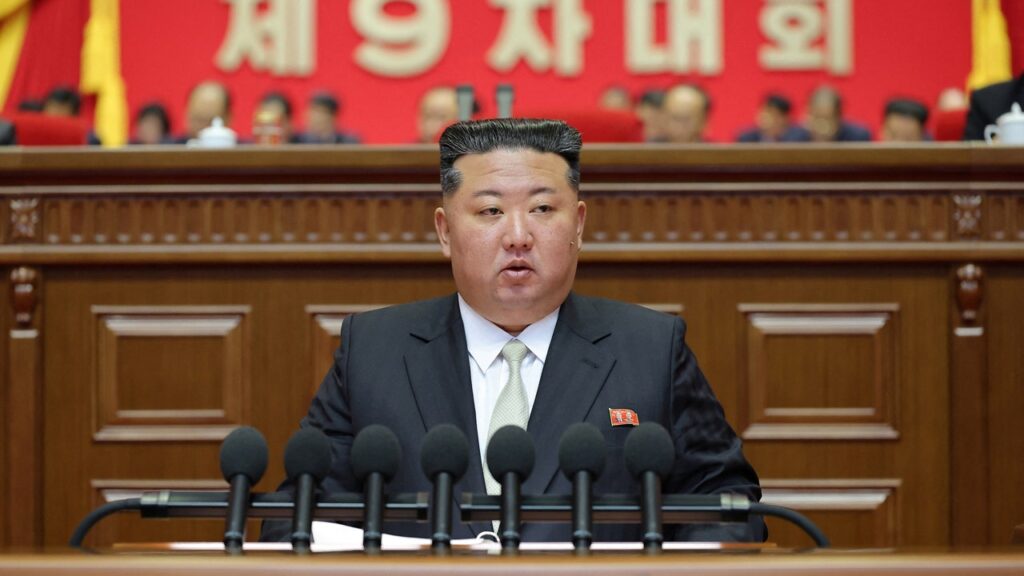
North Korea fired a ballistic missile on Tuesday, representing the second such launch within a seven-day period, according to an announcement from Japan’s prime minister’s office. Specifics regarding the projectile’s flight path, operational range and impact location remained unclear at the time of the disclosure. U.S. military officials stated they were actively tracking the incident and engaging in consultations with regional allies and partners.
The U.S. Pacific Command characterized the situation as not constituting an immediate threat to American personnel, territory or allied nations. “The United States remains committed to the defense of the U.S. homeland and our allies in the region,” the command said in a prepared statement. Officials emphasized their continued coordination with South Korea, Japan and other partners regarding the developing situation.
The latest test occurred less than one week after North Korea conducted a short-range ballistic missile test on August 5 from its Wonsan area on the eastern coast. That projectile landed in waters off North Korea’s coastline without reaching Japanese territory, according to Japanese Defense Minister Shinjiro Koizumi. Japan subsequently filed a formal complaint with North Korea through diplomatic channels in Beijing following the earlier launch.
South Korea’s military increased monitoring activities and coordinated with American and Japanese counterparts after the August 5 test, the nation’s Joint Chiefs of Staff reported. Seoul’s presidential national security council denounced the launch as a provocative act violating United Nations Security Council resolutions and called for an end to North Korea’s missile program.
The tests precede the Ulchi Freedom Shield exercises, annual joint military drills between the United States and South Korea typically conducted during late August. United States Forces Korea characterized the training as aimed at strengthening coordination among the Combined Forces Command, United Nations Command and South Korean leadership to enhance defensive capabilities. The drills will incorporate live, virtual, constructive and field-based training components involving multiple military branches.
U.S. and South Korean officials have consistently described the exercises as defensive operations, while Pyongyang views them as rehearsals for potential invasion and has routinely responded to such drills with weapons tests. North Korea’s August 5 launch marked its first ballistic missile test since late June, when it tested a tactical ballistic missile equipped with a “special mission” warhead alongside other weapons systems, according to state media reports.
Following the June tests, North Korean leader Kim Jong Un stated his military required strengthened “deadly and destructive offensive posture” capabilities. The escalating tempo of missile activity underscores mounting tensions on the Korean Peninsula amid scheduled military exercises.

More Stories
Colombia backs Trump security push while limiting U.S. role in anti-gang operations
Chicago Mayor Issues Executive Order Requiring Contractor Diversity Disclosures and ICE Ties Reporting
Federal Prosecutors Convene Special Grand Jury to Investigate D.C. Schools’ Attendance and Graduation Practices