




💛 A quick favor, if you've got a second.
We're really happy that you chose to read one of our stories and sincerely hope you'll stick around to read more. We took our paywall down — for now — but that won't last forever, and when the gate goes back up, we'd love for you to already be on the inside.
It's free. So please enter your email here and don't forget to like and follow us on all of your favorite Social Media platforms!
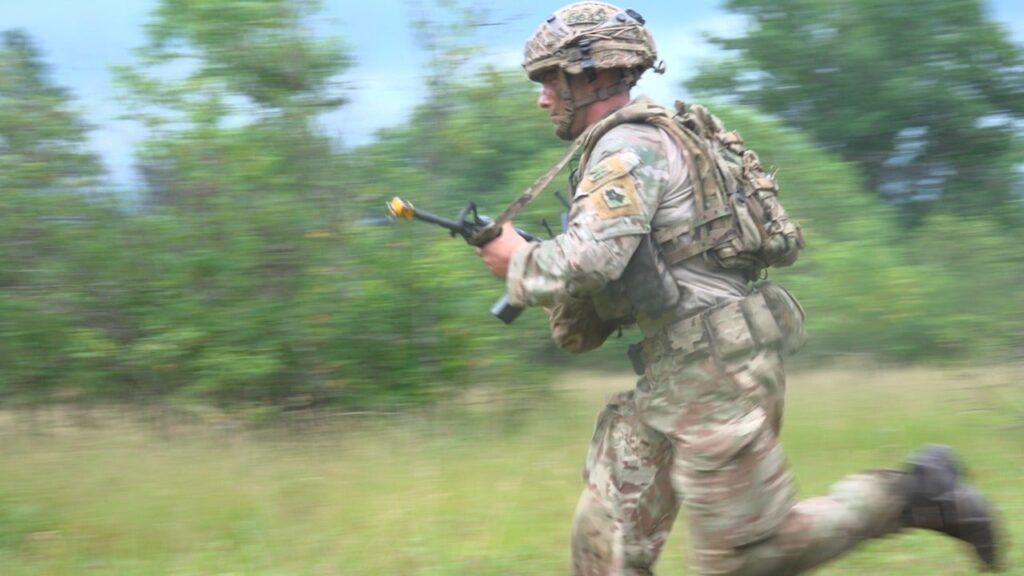
More than 9,000 military personnel representing 36 states and territories along with five international partners are engaged in Northern Strike 26-2, a major reserve-component readiness exercise underway across northern Michigan through August 14. The training operation, which features live-fire drills, tank maneuvers and combat simulations across more than 200,000 acres, marks the largest iteration of the biannual exercise since its launch in 2012, according to David Kennedy, a public affairs officer with the Michigan National Guard.
Brigadier General Ravindra Wagh of the Michigan National Guard cited ongoing global conflicts, particularly in Ukraine, as drivers reshaping military training doctrine and force preparation strategies. The exercise provides troops with rare opportunities to test emerging capabilities and coordinate across military branches and allied nations before potential deployment scenarios. “We want to train with the allies and partners we’re going to go to war with,” Wagh stated, emphasizing the value of joint operational experience in realistic settings.
The training encompasses far more than front-line combat operations, with support units including the 445th Quartermaster Company conducting shower and laundry operations under field conditions. Troops from units like those based in Trenton, New Jersey use the exercise as a dress rehearsal for potential deployments, with participants viewing the scenario as essential preparation for real-world contingencies.
Nearly 90 industry partners are integrating experimental technologies into the exercise, including autonomous resupply systems, medical delivery drones and 3D printing capabilities for battlefield part production. Advanced drone systems capable of hovering over combat zones to assess casualties and relay medical intelligence represent among the newest tools soldiers will encounter. Wagh emphasized that the military’s accelerating pace of technological change necessitates using major exercises to validate innovations before troops encounter them in actual conflict.



More Stories
Colombia backs Trump security push while limiting U.S. role in anti-gang operations
Chicago Mayor Issues Executive Order Requiring Contractor Diversity Disclosures and ICE Ties Reporting
University of Pennsylvania Climate Scientist Demands Supreme Court Packing Pledge From Democratic Candidates