



💛 A quick favor, if you've got a second.
We're really happy that you chose to read one of our stories and sincerely hope you'll stick around to read more. We took our paywall down — for now — but that won't last forever, and when the gate goes back up, we'd love for you to already be on the inside.
It's free. So please enter your email here and don't forget to like and follow us on all of your favorite Social Media platforms!
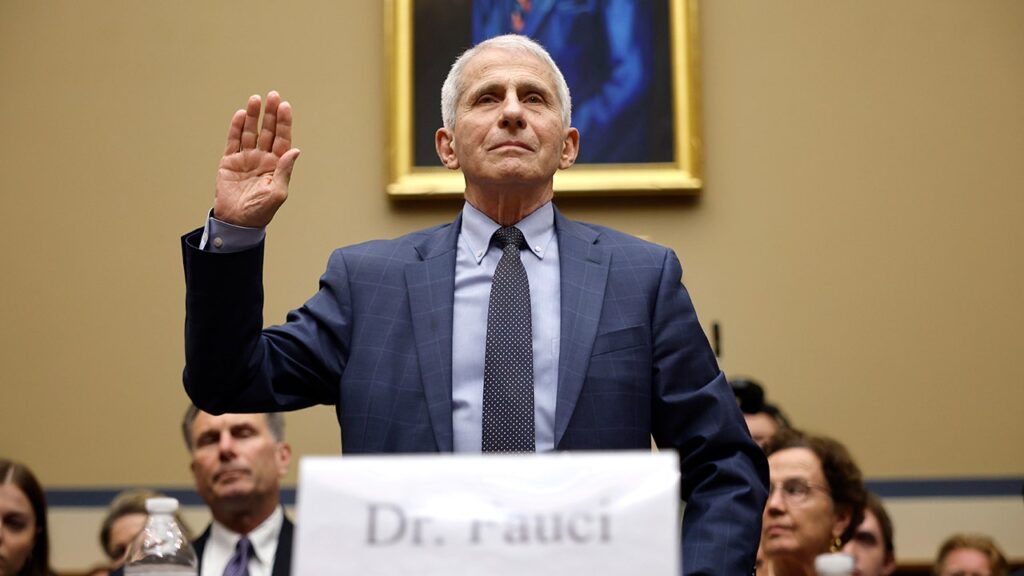
The Senate Homeland Security and Governmental Affairs Committee voted along party lines to hold Dr. Anthony Fauci in contempt of Congress after he declined to answer questions during a recent hearing. The panel had issued a subpoena compelling Fauci’s testimony, but the former National Institute of Allergy and Infectious Diseases director invoked his Fifth Amendment rights instead, using an identical statement 111 times across 2,331 words.
Contempt of Congress charges typically arise when witnesses refuse to testify before congressional committees or decline to produce requested documents. When Congress holds someone in contempt, lawmakers may refer the matter to the Justice Department for potential prosecution. The Senate Homeland Security Committee’s 8-5 vote sent the referral forward, setting up what could become a significant test case for newly confirmed Attorney General Todd Blanche.
Senate Homeland Security Committee Chairman Rand Paul, a Kentucky Republican, announced his intention to personally deliver the contempt referral to the Attorney General and file charges in federal court. However, Paul’s unilateral action circumvents Senate tradition, which typically requires a full chamber vote before referring anyone to the Justice Department for prosecution. Democrats criticized the maneuver as dangerous precedent-setting that could undermine legitimate congressional oversight.
Republicans countered that Fauci’s pardon by former President Joe Biden created an obligation for him to answer questions, arguing he could not use the pardon as protection while simultaneously invoking the Fifth Amendment. Sen. Rick Scott of Florida stated he had never voted to hold someone in contempt before Fauci. Democrats, however, accused Republicans of orchestrating a “weaponized” inquiry designed to trap Fauci into statements unprotected by his pardon.
The Justice Department states it “seriously reviews all Congressional referrals,” but legal analysts question whether courts would allow prosecution given Fifth Amendment protections. Democratic Sen. Richard Blumenthal of Connecticut argued any case would likely fail constitutional scrutiny. Meanwhile, Senate investigators have obtained Fauci’s Health and Human Services cellphone from the pandemic period, with Sen. Ron Johnson of Wisconsin suggesting decryption could answer questions Fauci refused to address.
Attorney General Blanche’s handling of the Fauci referral could signal how his Justice Department balances political pressures with legal and constitutional constraints. The decision ultimately rests with Blanche rather than individual senators or committee chairs. Democrats have warned that prosecuting Fauci would exemplify the very political weaponization of the Justice Department that transcends administrations and undermines rule of law.



More Stories
Federal voting arrest in New Jersey adds new pressure point in Sherrill-Trump standoff
Colombia backs Trump security push while limiting U.S. role in anti-gang operations
Former NFL cheerleader and ex-aide face off in close Rhode Island GOP primary