

💛 A quick favor, if you've got a second.
We're really happy that you chose to read one of our stories and sincerely hope you'll stick around to read more. We took our paywall down — for now — but that won't last forever, and when the gate goes back up, we'd love for you to already be on the inside.
It's free. So please enter your email here and don't forget to like and follow us on all of your favorite Social Media platforms!
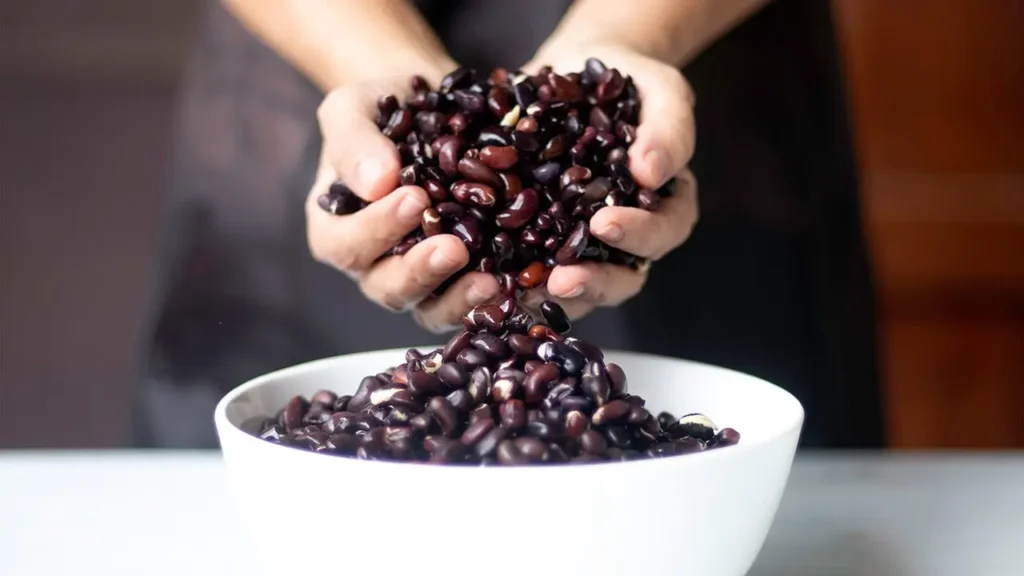
Beans and legumes represent an underutilized category of affordable, nutrient-dense foods that health professionals say Americans should consume far more regularly. According to nutrition and wellness expert Samantha Cassetty, founder of Sam’s Plate and co-author of “Sugar Shock,” fewer than 14 percent of American adults eat beans on any given day despite their exceptional nutritional profile. The plant-based foods deliver substantial quantities of protein, fiber and complex carbohydrates alongside folate, magnesium and iron, making them among the most nutritionally complete options available at supermarket prices.
Research has established that routine bean consumption correlates with reduced risk of major chronic conditions including cardiovascular disease, type 2 diabetes and obesity, potentially extending life expectancy. Registered dietitian nutritionist Deborah Murphy noted that beans remain naturally cholesterol-free and contain no saturated fats, further supporting their health benefits. Cassetty emphasized that canned beans represent some of the most economical protein sources on retail shelves, requiring only rinsing and draining before consumption.
Black beans distinguish themselves through their protein and fiber content, delivering approximately 8 grams of each nutrient per half-cup serving. Cassetty recommends combining them with frozen or fresh corn, bell peppers, avocado, cherry tomatoes and salsa for versatile preparation as a light meal, substantial side dish or wrap foundation.
Chickpeas, technically classified as legumes within the broader bean family, offer remarkable versatility across both sweet and savory applications. Research demonstrates that regular chickpea and hummus consumption correlates with elevated fiber, folate, potassium and iron intake alongside improved overall dietary quality. Air-frying chickpeas produces a crunchy snack or salad topper, while scattering them over roasted vegetables and grain bowls provides nutritional enhancement.
Lentils contribute a ground-meat texture and substantial plant-based iron content to dishes. Cassetty recommends combining them with chopped walnuts to create a powerful mixture supporting heart, brain and gut health through fiber, protein and plant-based omega-3 fatty acids, suitable for spaghetti sauce, tacos or wraps.
Edamame, comprising immature soybeans typically boiled or steamed as appetizers, deliver approximately 9 grams of protein and 4 grams of fiber per half-cup serving. Frozen varieties can be quickly prepared with cucumber, brown rice, rice vinegar, tamari and sesame oil for a five-minute meal.
White beans provide approximately 9 grams of protein per half-cup serving and blend seamlessly into smoothies while remaining undetectable beneath fruit flavors. Cassetty also suggests incorporating them into tuna and egg salads for additional nutritional enhancement.
Pinto beans may offer particular advantages for cholesterol management, as their soluble fiber helps clear cholesterol from the bloodstream. Animal research indicates they may reduce cholesterol synthesis in the liver and absorption in the small intestine, with one clinical trial showing that a half-cup daily dose reduced total and LDL cholesterol by more than 8 percent, surpassing oatmeal’s effects.
Kidney beans may prove beneficial when consumed alongside high-fat meals, as animal research suggests they can shift gut bacteria favorably and reduce inflammatory markers associated with elevated fat intake. Cassetty recommends using them in chili, atop nachos or in three-bean salads combined with toasted walnuts.
Black-eyed peas contain protein, fiber and iron sufficient to warrant permanent status in regular bean consumption patterns. They serve as the foundation for cowboy caviar, a cold salad preparation incorporating fresh vegetables, herbs and vinaigrette dressing typically served alongside tortilla chips.

More Stories
Four Kitchen Staples That Belong Outside the Freezer, According to Culinary Experts
New York Health Officials Sound Alarm Over Rising Measles Cases as School Year Approaches
CareCloud Breach Compromises 3.75 Million Patient Records, Among Largest Healthcare Data Thefts of 2026