




💛 A quick favor, if you've got a second.
We're really happy that you chose to read one of our stories and sincerely hope you'll stick around to read more. We took our paywall down — for now — but that won't last forever, and when the gate goes back up, we'd love for you to already be on the inside.
It's free. So please enter your email here and don't forget to like and follow us on all of your favorite Social Media platforms!
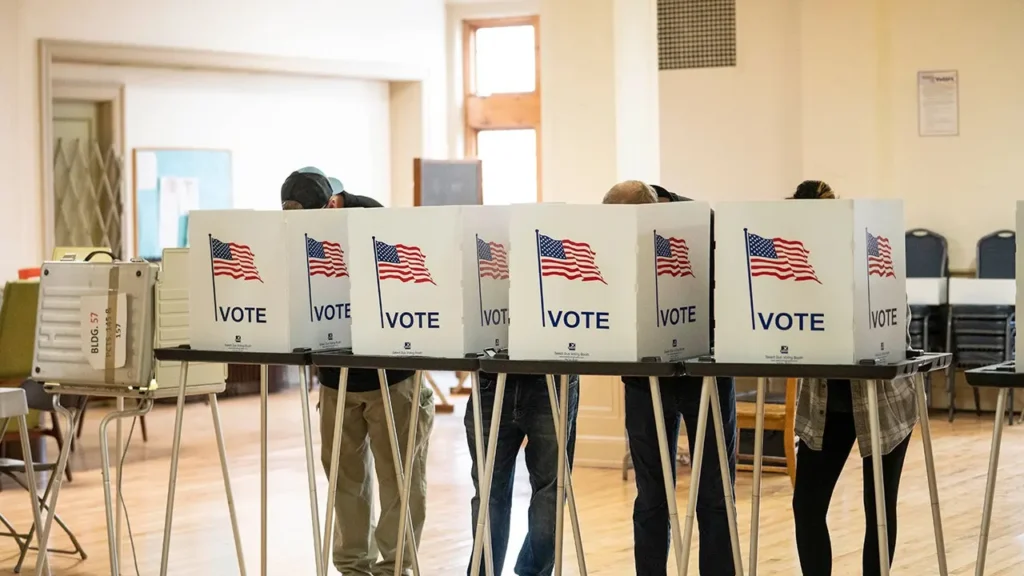
Prognosticators and news outlets declared the Michigan Democratic Senate primary a foregone conclusion before Tuesday’s voting, but the results told a dramatically different story. Abdul El-Sayed, the far-left candidate, managed only a narrow 1- to 3-point victory over Rep. Haley Stevens, leaving his anticipated coronation in tatters and raising serious questions about the reliability of modern polling methodology.
The final week of campaigning saw five consecutive public polls showing El-Sayed winning by 19, 17, 14, 16, and 11 points respectively. News organizations treated these numbers as authoritative, framing the race as a certain El-Sayed triumph rather than covering Stevens’s genuine momentum following Gov. Gretchen Whitmer’s endorsement and support from Rep. James Clyburn of South Carolina.
Ground-level reporting from Detroit revealed a starkly different picture than prediction markets, which had favored El-Sayed at 95 percent. Interviews with ordinary voters showed stronger support for Stevens than for El-Sayed, particularly among those with mainstream political views who sought stability rather than systemic overhaul. Michigan state Sen. Mallory McMorrow, who had dropped from the race, captured 4 percent of votes—precisely the margin separating El-Sayed from defeat.
The polling collapse raises uncomfortable questions about whether inflated numbers suppressed Stevens turnout or created a self-fulfilling prophecy favoring the socialist-aligned candidate. The narrative of an El-Sayed blowout overshadowed what could have been framed as “The Stevens Comeback,” potentially altering voter behavior in the final stretch.
Republican Senate nominee Mike Rogers emerges as the primary beneficiary, securing an opponent wounded by underperformance. El-Sayed’s campaign faced additional challenges when his allied podcaster Hasan Piker delivered divisive remarks Tuesday night, using inflammatory language that signaled internal party tensions rather than unity heading into the general election.



More Stories
Colombia backs Trump security push while limiting U.S. role in anti-gang operations
Former NFL cheerleader and ex-aide face off in close Rhode Island GOP primary
Trump Threatens FCC Action Against NBC’s Welker Over Endorsement Coverage