

💛 A quick favor, if you've got a second.
We're really happy that you chose to read one of our stories and sincerely hope you'll stick around to read more. We took our paywall down — for now — but that won't last forever, and when the gate goes back up, we'd love for you to already be on the inside.
It's free. So please enter your email here and don't forget to like and follow us on all of your favorite Social Media platforms!
The WNBA has experienced unprecedented growth in recent seasons, driven largely by the arrival of Caitlin Clark and surging fan interest that has translated into higher attendance and increased media coverage. Yet despite these commercial gains, the league faces mounting questions about whether it can sustain momentum amid internal conflicts over the league’s handling of high-profile players and political positioning.
Sophie Cunningham has emerged as one of the WNBA’s brightest stars, leveraging her on-court performance—shooting 48 percent from the field and 44 percent from three-point range—and off-court personality to build a significant following. Her support of Clark against overly physical opponents further endeared her to the broader basketball audience that has tuned in to watch the young superstar play.
The controversy intensified after Cunningham publicly stated her views on transgender participation in women’s sports during an ESPN interview, remarks that reflected positions held by a substantial majority of the American public. Rather than treating the matter as a routine player statement, portions of the WNBA responded with aggression, including an incident in which a Seattle Storm co-owner directed profane remarks at courtside fans wearing Cunningham support gear.
The Storm subsequently suspended owner Celeste Keaton for five home games, while the team issued an apology. However, observers argue these measures fail to address systemic concerns about whether the league is willing to accommodate viewpoints divergent from its stated institutional positions, raising questions about whether such divisions could damage the league’s ability to capture new audiences.
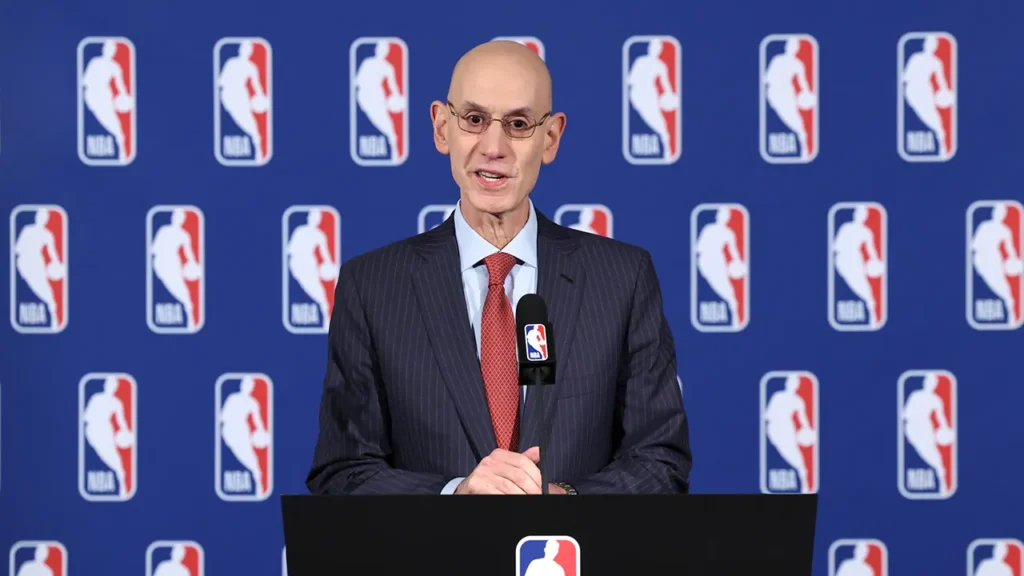
The situation has prompted broader inquiries about NBA Commissioner Adam Silver’s potential role in steering the WNBA toward more inclusive fan engagement policies. Whether the NBA, which provides financial support to the WNBA, will intervene remains unclear, though critics contend the league’s current trajectory risks alienating viewers outside traditional coastal media markets.

More Stories
Trump Threatens FCC Action Against NBC’s Welker Over Endorsement Coverage
Packers Running Back Josh Jacobs Placed on Commissioner Exempt List Pending Misdemeanor Charges
Denver Broncos Linebacker Jonathon Cooper Placed on Commissioner’s Exempt List Amid Domestic Violence Charges