


💛 A quick favor, if you've got a second.
We're really happy that you chose to read one of our stories and sincerely hope you'll stick around to read more. We took our paywall down — for now — but that won't last forever, and when the gate goes back up, we'd love for you to already be on the inside.
It's free. So please enter your email here and don't forget to like and follow us on all of your favorite Social Media platforms!
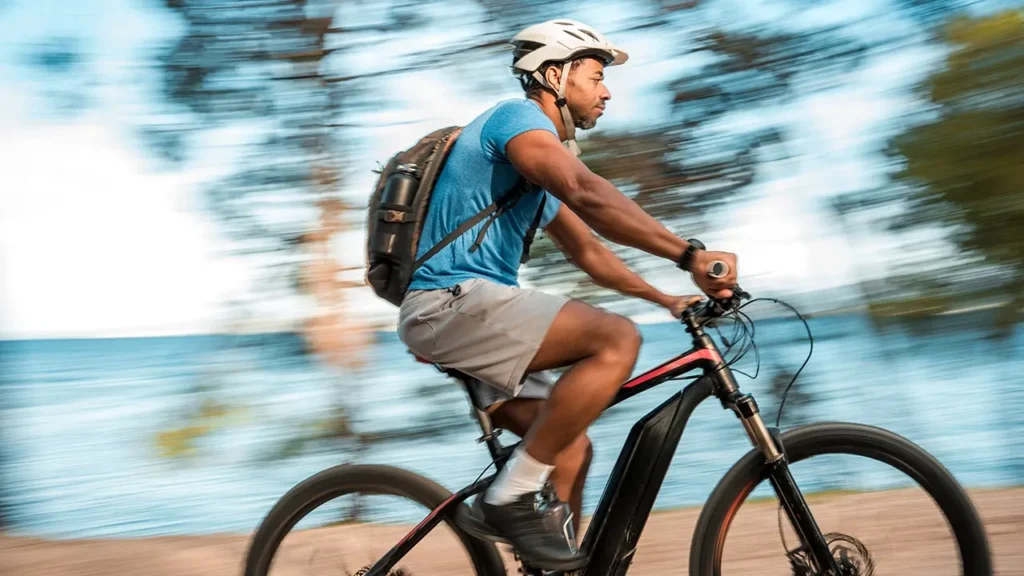
Emergency departments across the United States are experiencing a sharp increase in e-bike-related injuries, with hospitals in major cities reporting mounting cases of trauma ranging from minor wounds to life-threatening conditions. The Detroit metro area has documented a notable rise in e-bike crashes, according to reporting by Fox 2 Detroit, with medical professionals warning that the severity of incidents correlates directly to vehicle speeds and rider inexperience. Authorities in some communities are now exploring potential bans or restrictions on the vehicles as a response to growing safety concerns.
E-bikes capable of traveling at speeds up to 28 miles per hour pose substantially greater collision risks than traditional bicycles, particularly in pedestrian-heavy environments. Robert Sherwin, an emergency room physician at the Detroit Medical Center, emphasized that Class 3 e-bikes function more like motorized vehicles than conventional bicycles, and many riders lack adequate experience or awareness of their capabilities. “These e-bikes are heavier than regular bikes, and they travel much faster, but the human body doesn’t change just because a bike has a motor,” Sherwin said.
Road infrastructure and driver behavior remain central factors in e-bike safety, according to local bike shop owner John Hughes. He attributed many incidents to motorist inattention and lack of respect for bicycles as legitimate transportation, noting that distracted driving compounds the hazard for riders. Despite safety concerns, some e-bike users credit the vehicles with providing affordable and efficient commuting alternatives to automobiles.
A study published in Neurosurgery found that e-bikes and scooters accounted for nearly 7 percent of trauma admissions at NYC Health + Hospitals/Bellevue, with one-third of 914 patients experiencing traumatic brain injuries. Injuries from these vehicles increased dramatically from less than 10 percent of cases in 2018 to more than half by 2023, with collisions involving cars or trucks representing approximately half of all incidents. Fewer than one-third of riders wore helmets, a factor associated with significantly elevated rates of brain and facial injuries.
Pedestrians struck by e-bikes suffered brain injuries at nearly twice the rate of riders, according to analysis of 69 pedestrian cases in the study. Hannah Weiss, a resident in neurosurgery at NYU Grossman School of Medicine, noted that the data indicate “micromobility injuries are producing serious brain and spinal trauma that demands neurosurgical care at a scale we haven’t seen before.”
New Jersey enacted legislation this year requiring e-bike registration and mandating that operators be at least 15 years old with either a valid driver’s license or e-bike license. The law emerged following the death of a New Jersey teenager and aims to establish helmet and registration requirements that supporters argue will promote safety and reduce injuries. Experts have called for continued infrastructure improvements, including protected bike lanes and helmet enforcement programs, to address the escalating injury rate across urban areas nationwide.

More Stories
Forest Service Proposes Steep Fee Increases at Lake Tahoe Recreation Sites
New York Health Officials Sound Alarm Over Rising Measles Cases as School Year Approaches
Son Discovers Father Missing After Himalayan Disaster in Nepal-Tibet Border Region