


💛 A quick favor, if you've got a second.
We're really happy that you chose to read one of our stories and sincerely hope you'll stick around to read more. We took our paywall down — for now — but that won't last forever, and when the gate goes back up, we'd love for you to already be on the inside.
It's free. So please enter your email here and don't forget to like and follow us on all of your favorite Social Media platforms!
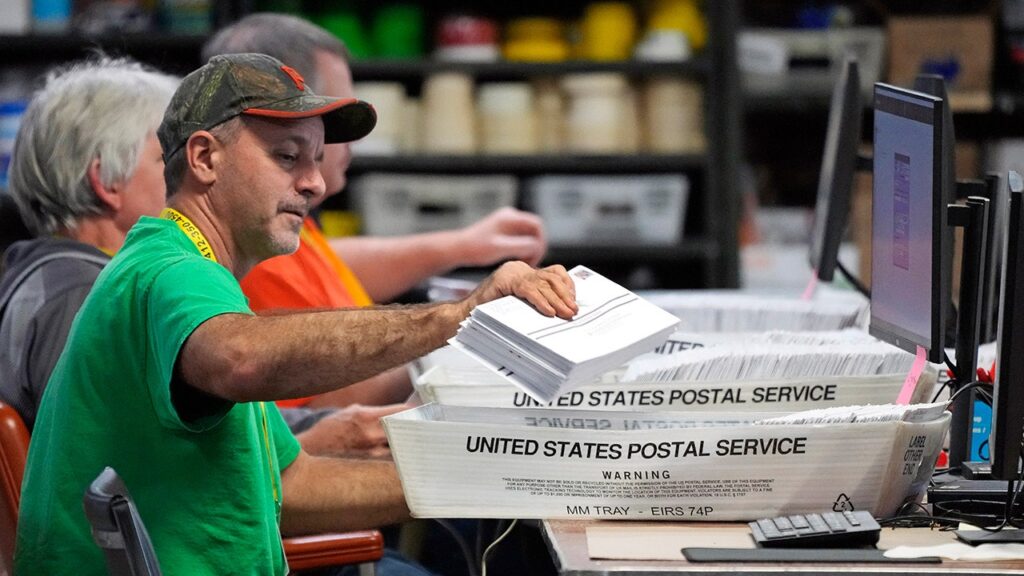
The 1st U.S. Circuit Court of Appeals delivered a significant blow to the Trump administration on Saturday by declining to suspend a lower court’s injunction that blocks enforcement of provisions from an executive order tightening mail-in voting procedures across 23 Democratic-controlled states. The 2-1 decision means the administration faces a potential Supreme Court appeal as midterm voting approaches.
The Department of Justice had requested that the appeals court pause a June ruling by U.S. District Judge Indira Talwani while the administration continues its legal challenge. The DOJ indicated it would pursue emergency intervention at the Supreme Court if unsuccessful in the appellate process.
Trump signed Executive Order 14399 in March, directing the Department of Homeland Security to compile citizenship verification lists for voting eligibility, instructing the U.S. Postal Service to establish new mail ballot standards, and tasking the Justice Department with investigating election officials who issue federal ballots to ineligible voters. The administration contended the lawsuit was premature since federal agencies had not finalized implementation policies.
The appeals court majority disagreed, noting that the executive order specified tight deadlines requiring immediate state coordination with federal officials. Twenty-three states, led by California, Massachusetts, Nevada, and Washington, along with the District of Columbia, challenged the order as exceeding presidential authority over federal elections, a power they argue belongs primarily to the states under the Constitution.
Judge Talwani ruled in June that multiple executive order provisions likely exceeded the president’s authority and blocked their implementation in plaintiff states through November 3. The White House and Justice Department did not immediately comment on Saturday’s decision.

More Stories
Federal voting arrest in New Jersey adds new pressure point in Sherrill-Trump standoff
Colombia backs Trump security push while limiting U.S. role in anti-gang operations
Former NFL cheerleader and ex-aide face off in close Rhode Island GOP primary