

💛 A quick favor, if you've got a second.
We're really happy that you chose to read one of our stories and sincerely hope you'll stick around to read more. We took our paywall down — for now — but that won't last forever, and when the gate goes back up, we'd love for you to already be on the inside.
It's free. So please enter your email here and don't forget to like and follow us on all of your favorite Social Media platforms!
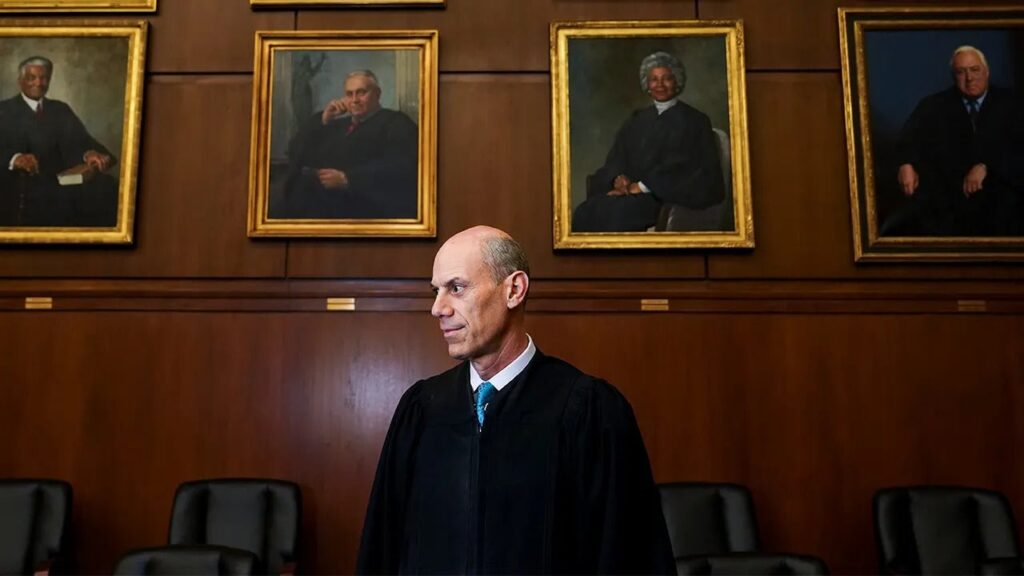
Chief Judge James E. Boasberg of the D.C. federal court has drawn scrutiny from legal analysts who contend he has repeatedly overstepped his judicial authority while simultaneously criticizing executive branch power. The judge recently dismissed a case involving selective enforcement of protest laws, prompting the D.C. Circuit Court of Appeals to order him to reconsider the matter after finding potential constitutional violations.
The dispute centers on the arrest of members from the Frederick Douglass Foundation and Students for Life of America who were detained for writing pro-life messaging in chalk on Washington sidewalks. While Black Lives Matter graffiti covered city streets during 2020 protests and police largely permitted such activity, law enforcement immediately arrested the pro-life activists and removed their chalk markings, raising questions about viewpoint-based discrimination.
The appellate court reversed Boasberg’s initial dismissal, holding that he applied the wrong legal standard by requiring litigants to prove “invidious enforcement” rather than the proper standard for First Amendment viewpoint discrimination claims. The court emphasized that the Constitution prohibits government discrimination based on the content of speech and that protection applies to enforcement of existing laws, not merely their enactment.
Upon remand, Boasberg again dismissed the case before trial despite evidence presented through discovery, including body camera footage of police officers witnessing Black Lives Matter vandalism near the White House and guidance documents from Metropolitan Police Department leadership. Legal commentators argue this substituted judicial judgment for jury determination on factual questions where credible evidence existed.
Critics note Boasberg has also been reversed for “abuse of discretion” in separate cases involving Trump administration contempt findings and dismissed grand jury subpoenas in an unrelated federal investigation. The pattern raises concerns about judicial restraint and whether courts should apply consistent standards across ideologically different litigants.

More Stories
Federal voting arrest in New Jersey adds new pressure point in Sherrill-Trump standoff
Colombia backs Trump security push while limiting U.S. role in anti-gang operations
Packers Running Back Josh Jacobs Placed on NFL Commissioner’s Exempt List Following Domestic Arrest