


💛 A quick favor, if you've got a second.
We're really happy that you chose to read one of our stories and sincerely hope you'll stick around to read more. We took our paywall down — for now — but that won't last forever, and when the gate goes back up, we'd love for you to already be on the inside.
It's free. So please enter your email here and don't forget to like and follow us on all of your favorite Social Media platforms!
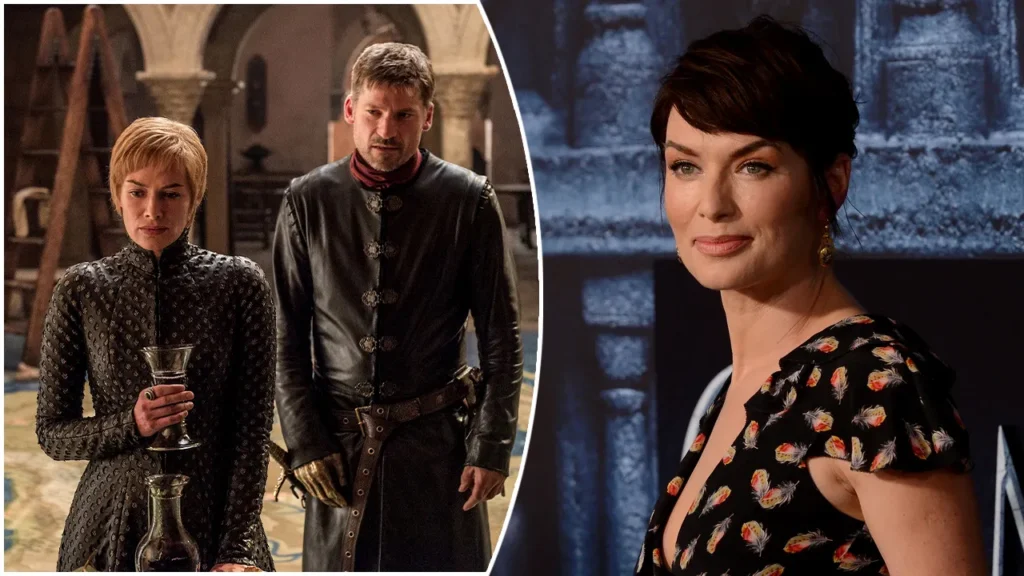
More than a decade after one of television’s most controversial moments, actress Lena Headey has offered new insight into her decision to employ a body double for Cersei Lannister’s pivotal nude scene in “Game of Thrones,” addressing widespread criticism that followed the episode’s broadcast. In an interview with The Telegraph, Headey expressed surprise at the intensity of the backlash, noting that audiences questioned whether she had misled them by not performing the nudity herself.
Headey explained that the scale of the production—which involved 3,000 extras on set—made it untenable to maintain emotional focus while also managing vulnerability in front of such a large crew. She emphasized that her ability to deliver a credible performance depended on her psychological comfort, stating that worrying about exposure would have forced her into a defensive mindset incompatible with the scene’s emotional demands.
The actress acknowledged her position of relative privilege within the industry, noting that her established career and maturity gave her the confidence to set boundaries that younger, less experienced performers might hesitate to assert. She credited body double Rebecca Van Cleave for undertaking the physically demanding work and praised her contribution to the final performance.
Headey used the controversy as a launching point for broader reflection on systemic issues facing women in entertainment. She described an industry expectation that young actresses must perform nude scenes early in their careers as a “rite of passage,” recounting instances early in her own work where she felt unsafe but remained silent, fearing jeopardizing employment opportunities.
The actress connected these dynamics to power imbalances that have long protected abusive figures in film and television, citing economic vulnerability as a factor that silences victims. She credited the #MeToo movement with exposing how pervasive such experiences have been and expressed optimism that contemporary actresses are increasingly willing to reject uncomfortable demands.

More Stories
Looney Tunes’ ‘Coyote vs. Acme’ Debuts With $15.5 Million as ‘Spider-Man’ Holds Box Office Crown
Country Music Legend Dolly Parton Laid to Rest; Niece Shares Touching Remembrance
Britt Baker’s Surprise Return Helps Persephone Capture AEW TBS Championship at All In