


💛 A quick favor, if you've got a second.
We're really happy that you chose to read one of our stories and sincerely hope you'll stick around to read more. We took our paywall down — for now — but that won't last forever, and when the gate goes back up, we'd love for you to already be on the inside.
It's free. So please enter your email here and don't forget to like and follow us on all of your favorite Social Media platforms!
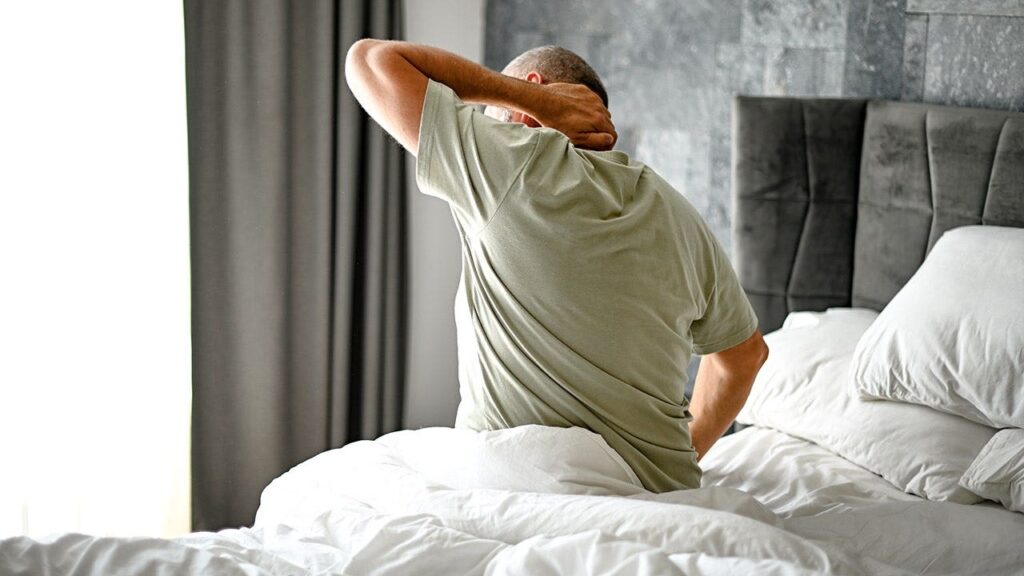
Increased exposure to bright daylight during waking hours may significantly improve nighttime sleep quality and timing, according to findings from researchers at the University of Manchester. The study, published in NPJ Biological Timing and Sleep, analyzed data from 89 adults who wore light sensors and sleep trackers over more than 500 days while maintaining detailed sleep records.
Adults who experienced brighter and more consistent daylight exposure demonstrated a pattern of falling asleep and waking earlier than their counterparts with limited light exposure. The research also revealed that consistent daytime illumination correlated with increased deep sleep during the early part of the night cycle.
Jennifer Martin, Ph.D., a clinical psychologist and professor at Florida International University’s Herbert Wertheim College of Medicine, explained the biological mechanism behind these findings. Light entering the eye triggers specific retinal cells to signal the brain that daytime has arrived, promoting alertness and activity while reinforcing the body’s natural sleep-wake rhythm.
Morning light exposure proves particularly advantageous for maintaining a stable sleep schedule, Martin noted. She recommends outdoor time during early daylight hours to strengthen the body’s internal clock and encourage consistent evening sleepiness.
Evening light limitation complements morning exposure strategies for optimal sleep, according to Martin’s guidance. She advises against bright light exposure during the two hours before bed and maintaining a consistent wake time daily, warning that varying wake times by more than one hour can trigger feelings resembling jet lag.
The researchers acknowledged several study limitations, including reliance on wrist-worn devices rather than eye-level light measurement and failure to account for variables such as physical activity and meal timing. While the data demonstrate association between daytime light and sleep patterns, the study did not establish direct causation.

More Stories
New York Health Officials Sound Alarm Over Rising Measles Cases as School Year Approaches
CareCloud Breach Compromises 3.75 Million Patient Records, Among Largest Healthcare Data Thefts of 2026
Month-Long HEPA Use Linked to Faster Cognitive Processing in Middle-Aged Adults