

💛 A quick favor, if you've got a second.
We're really happy that you chose to read one of our stories and sincerely hope you'll stick around to read more. We took our paywall down — for now — but that won't last forever, and when the gate goes back up, we'd love for you to already be on the inside.
It's free. So please enter your email here and don't forget to like and follow us on all of your favorite Social Media platforms!
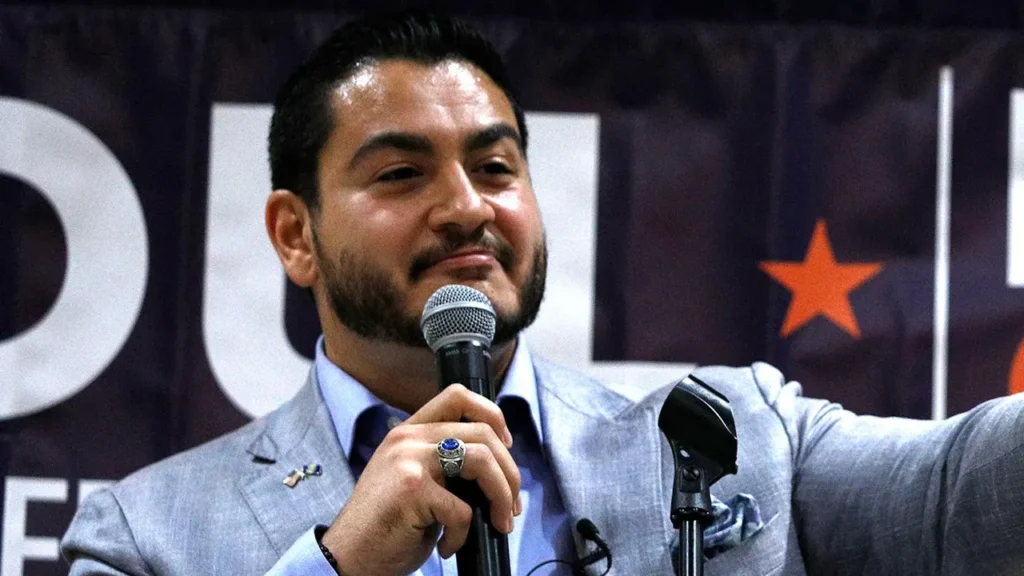
A Detroit rally featuring socialist-aligned Senate candidate Abdul El-Sayed alongside high-profile progressive figures Alexandria Ocasio-Cortez and Bernie Sanders revealed a striking demographic reality: the Democratic Party’s leftward shift draws predominantly educated white voters rather than the working-class and minority constituencies the movement claims to champion. The gathering at the Opera House underscored widening tensions within the party over ideology and electoral viability.
Conversations with attendees and local voters painted a picture of widespread skepticism toward El-Sayed’s candidacy in blue-collar Michigan. One federal government worker in Detroit dismissed the socialist pitch outright, stating that such messaging simply would not resonate with local voters who have seen economic improvement in recent years. El-Sayed himself has attempted to distance himself from the socialist label while simultaneously appearing alongside its most visible advocates.
The gap between the candidate’s messaging and voter sentiment has become increasingly apparent as the primary approaches. Moderate Rep. Haley Stevens, El-Sayed’s main opponent for the Democratic nomination, has secured backing from the Congressional Black Caucus—a significant endorsement that reflects establishment concerns about the socialist wing’s growing influence within party ranks. Stevens maintains momentum among critical voting blocs that El-Sayed has failed to mobilize effectively.
The Michigan race mirrors a broader challenge facing the Democratic Party’s socialist contingent: ideology that thrives in progressive urban enclaves faces substantial headwinds in working-class communities where economic pragmatism outweighs theoretical appeals. Whether El-Sayed can reverse his trajectory remains uncertain, though current momentum strongly favors Stevens heading into the final stages of the primary contest.

More Stories
Federal voting arrest in New Jersey adds new pressure point in Sherrill-Trump standoff
Colombia backs Trump security push while limiting U.S. role in anti-gang operations
Former NFL cheerleader and ex-aide face off in close Rhode Island GOP primary