


💛 A quick favor, if you've got a second.
We're really happy that you chose to read one of our stories and sincerely hope you'll stick around to read more. We took our paywall down — for now — but that won't last forever, and when the gate goes back up, we'd love for you to already be on the inside.
It's free. So please enter your email here and don't forget to like and follow us on all of your favorite Social Media platforms!
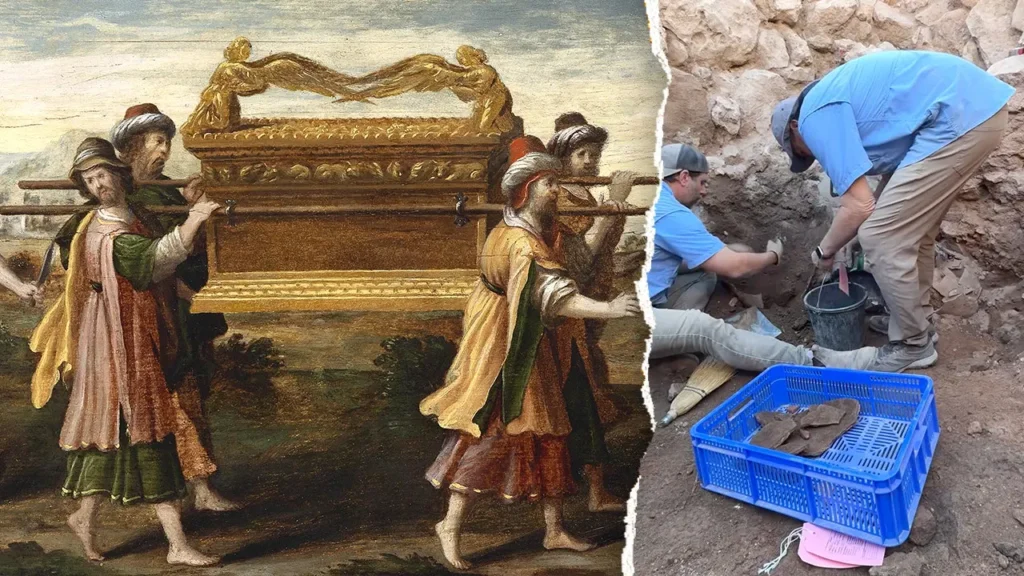
Researchers working at Tel Shiloh, a West Bank archaeological site traditionally linked to the biblical location where the Ark of the Covenant once rested, have unearthed a remarkable collection of preserved food remains. The discovery was made beneath an Israelite-period ritual deposit and near an ancient Canaanite fortification wall, according to the excavation team.
Three storage jars containing ancient foodstuffs were recovered from the dig site. Two vessels held olives, while a third contained lentils, with archaeobotanical analysis revealing approximately 500 charred olive pits in one of the containers. According to Scott Stripling, excavation director and president of the Near East Archaeological Society, the olives had been preserved in oil before a fire thousands of years ago charred them and inadvertently created ideal preservation conditions.
Before discovering the food jars, the team excavated an Israelite-period ritual deposit approximately two meters deep containing roughly 10,000 animal bones, pottery vessels, and eight gold and silver objects including pendants and earrings. Stripling characterized the deposit as a favissa—a deliberate burial site for sacrificial offerings—rather than ordinary refuse.
The jars are currently undergoing restoration at Tel Aviv University, where researchers plan to conduct radiocarbon dating on the burned olive pits. Stripling expressed confidence the samples would date to the Middle Bronze Age and indicated the team intends to expand excavations next year to determine whether the vessels occupied a kitchen, storage room, or other settlement area.

More Stories
Colombia backs Trump security push while limiting U.S. role in anti-gang operations
Modern Science Finally Supports & Strengthens Biblical Account of the Crucifixion of Jesus Christ
Federal Prosecutors Convene Special Grand Jury to Investigate D.C. Schools’ Attendance and Graduation Practices