


💛 A quick favor, if you've got a second.
We're really happy that you chose to read one of our stories and sincerely hope you'll stick around to read more. We took our paywall down — for now — but that won't last forever, and when the gate goes back up, we'd love for you to already be on the inside.
It's free. So please enter your email here and don't forget to like and follow us on all of your favorite Social Media platforms!
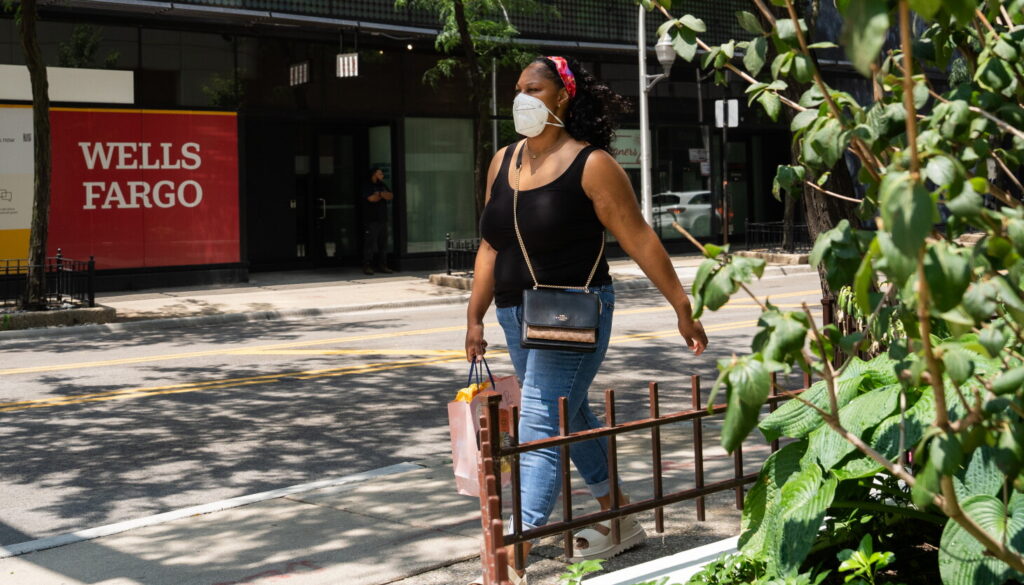
Chicago residents witnessed a partial reprieve from dense wildfire smoke on Saturday, though meteorologists warned that dangerous air conditions have not been adequately resolved. The National Weather Service kept its air quality alert in effect through Saturday evening despite some improvement in pollution readings observed during daylight hours.
National Weather Service meteorologist Jake Petr cautioned that conditions could deteriorate as Saturday progressed and evening approached, with shifting smoke patterns potentially worsening air quality. Residents should remain vigilant about monitoring atmospheric changes throughout the day, he said.
Forecasters predict the smoky haze will blanket the region through Sunday and into Monday as wildfires continue burning in Canada and Minnesota. The unpredictable movement of smoke from distant fire sources complicates longer-term weather predictions, officials noted.
Thursday marked the worst air quality event Chicago has recently endured, briefly placing the city among the world’s most polluted metropolitan areas. Petr urged residents to consult air quality indices before going outside and to use protective respiratory equipment when appropriate.
Health officials stressed that people with respiratory conditions should remain indoors during poor air quality episodes. Forecasters additionally warned of potentially severe thunderstorms capable of producing wind gusts over 60 mph Saturday in the area.
Sunday is expected to bring improved visibility with clearer atmospheric conditions, though smoke will remain detectable overhead as temperatures decline to the low 80s.

More Stories
Forest Service Proposes Steep Fee Increases at Lake Tahoe Recreation Sites
New York Health Officials Sound Alarm Over Rising Measles Cases as School Year Approaches
Son Discovers Father Missing After Himalayan Disaster in Nepal-Tibet Border Region